#131 – How Dysregulation Affects Our Mental & Physical Health with Kristi McLeod (Podcast)
Listen on Apple Podcasts Listen on Spotify Listen on YouTube Listen on Amazon Music
🔗 Links mentioned in this episode:
🎓 Learn from Kristi & Get Certified in SIT
🩵 Curious if Jane is right for your practice? Book a free demo and get a one-month grace period with code ACUPRO1MO!
☯️ More AcuPro Episodes you’ll love:
Psycho-Emotional Pain using the 8 Extra Vessels with Dr. Yvonne Farrell
Supporting Emotional Trauma Patients through TCM & Acupuncture
They Don’t Teach You THIS in Acupuncture School
How Somatic Healing and Understanding Your Nervous System Can Transform Your Practice
Have you ever noticed that some patients improve quickly with treatment, while others seem stuck in the same emotional and physical patterns no matter what you try? Maybe they experience chronic digestive issues, persistent fatigue, anxiety, insomnia, or pain that keeps returning despite regular acupuncture treatments.
Sometimes, the missing piece isn’t another acupuncture point prescription or herbal formula. Sometimes, the body is holding onto unresolved stress, trauma, or subconscious emotional patterns that continue to keep the nervous system in survival mode.
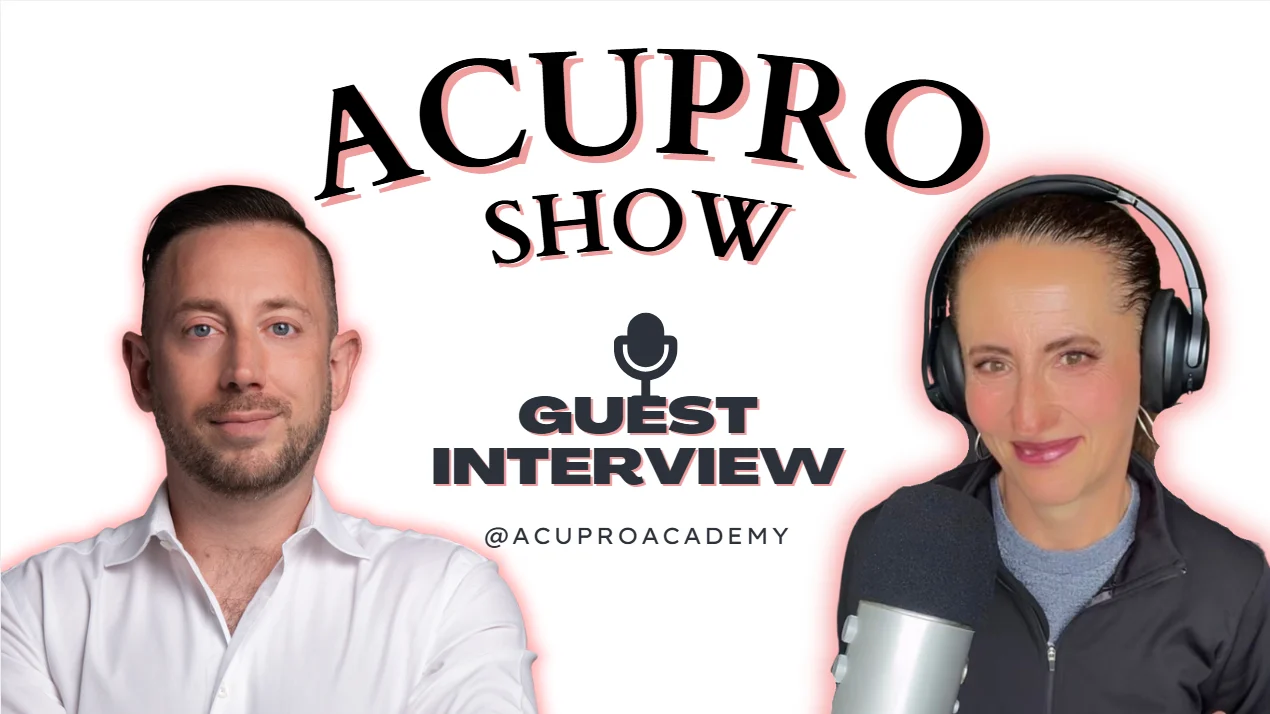
In this episode of the AcuPro Show, I sat down with nervous system educator and somatic healing practitioner Kristi McLeod to explore how somatic healing and nervous system regulation can profoundly impact both our patients and ourselves as practitioners. This conversation opened the door to understanding how deeply emotional experiences live within the body, and how awareness of the nervous system can completely transform the way we practice Traditional Chinese Medicine.
What Is Somatic Healing?
Somatic healing focuses on the connection between the mind, emotions, and physical body. Instead of only talking through emotions intellectually, somatic work helps people recognize how stress and trauma physically manifest in the body.
Kristi explained that many emotional experiences become “stored” in the nervous system. Over time, these patterns can influence posture, muscle tension, digestion, breathing patterns, sleep quality, emotional reactivity, and even chronic pain.
Unlike traditional talk therapy, which primarily focuses on processing thoughts and memories, somatic healing works directly with the body’s physiological responses. It helps people become aware of physical sensations tied to emotions and teaches the nervous system how to return to a calmer, safer state.
This approach aligns beautifully with Traditional Chinese Medicine because TCM has always recognized the connection between emotions and physical health. In Chinese medicine, emotions are never viewed separately from the body. They are deeply interconnected.
The Nervous System and Chronic Stress
One of the most fascinating parts of the conversation was discussing how chronic stress impacts the nervous system.
Many people live in a constant state of sympathetic dominance, commonly known as “fight or flight.” Others may swing into freeze responses, emotional shutdown, exhaustion, or numbness. Over time, this chronic dysregulation can contribute to physical symptoms that patients often seek treatment for.
Some common signs of nervous system dysregulation include:
- Difficulty relaxing or “switching off”
- Anxiety or hypervigilance
- Chronic digestive issues
- Fatigue despite resting
- Muscle tension and jaw clenching
- Insomnia
- Emotional overwhelm
- Burnout
- Feeling disconnected from the body
Kristi shared how these patterns often begin much earlier in life than we realize. Childhood experiences, family dynamics, stressful environments, and even generational trauma can shape how our nervous system responds to stress as adults.
As acupuncturists and TCM practitioners, understanding these patterns allows us to approach patients with more compassion and a broader clinical lens.
How Emotional Patterns Show Up Physically
One of the things I loved most about this discussion was how clearly it reflected TCM principles.
In Chinese medicine, emotions directly affect organ systems:
- Worry knots the spleen
- Anger constrains the liver
- Fear weakens the kidneys
- Sadness impacts the lungs
- Shock disturbs the heart
Kristi explained that unresolved emotional patterns often appear physically long before patients consciously recognize them emotionally.
For example, a patient with chronic digestive bloating may also be carrying years of anxiety and hypervigilance. Another patient with chronic neck and shoulder tension may constantly live in a state of emotional protection and stress response.
This doesn’t mean symptoms are “all in their head.” Quite the opposite. Their body is genuinely expressing the stress patterns held within the nervous system.
This perspective can completely change how we communicate with patients and how we approach treatment planning.
Bringing Somatic Awareness Into Your Acupuncture Practice
The beautiful thing about somatic awareness is that it doesn’t require changing your entire practice. Even subtle shifts in observation can deepen your treatments dramatically.
Kristi discussed how practitioners can begin paying closer attention to:
- Body posture
- Breathing patterns
- Eye contact
- Tone of voice
- Muscle tension
- Fidgeting or restlessness
- Emotional reactions during treatment
These observations provide clues about the patient’s nervous system state.
For example, a patient who struggles to fully relax on the treatment table may not simply be “stressed.” Their nervous system may genuinely not feel safe slowing down.
As practitioners, our calm presence, communication style, and treatment environment can significantly influence how safe and regulated a patient feels.
This is where acupuncture becomes incredibly powerful. Acupuncture naturally supports parasympathetic activation (the “rest and digest” state) which helps the nervous system shift out of survival mode.
Somatic Healing for Practitioners Themselves
This conversation wasn’t only about patients. It was also about us as practitioners.
Let’s be honest, holding space for patients all day can be emotionally and energetically demanding. If we don’t regulate our own nervous systems, burnout becomes very real.
Kristi emphasized the importance of practitioners becoming aware of their own bodily cues and stress responses. When we are disconnected from ourselves, it becomes harder to remain grounded and fully present with our patients.
Some simple somatic tools practitioners can use include:
- Gentle movement between patients
- Deep breathing exercises
- Tapping techniques
- Grounding practices
- Taking moments of silence between treatments
- Noticing tension patterns within the body
Even becoming aware of your shoulders tightening or your jaw clenching during a stressful day can be the first step toward regulation.
The Subconscious Imprinting Technique (SIT)
Kristi also shared her work with the Subconscious Imprinting Technique (SIT), which focuses on uncovering subconscious emotional programming and stored memories that continue influencing present-day behaviors and health patterns.
This was such an interesting reminder that many patients intellectually understand their stress, but their body still reacts as though the danger is happening now.
That’s why healing often requires more than simply “thinking positively.” The nervous system itself needs support and re-patterning.
This concept mirrors what we see in TCM all the time. Patients may know logically they need rest, boundaries, or emotional balance, yet their patterns continue because the body has become conditioned to stress responses over many years.
Why This Matters in TCM
As practitioners of Chinese Medicine, we already understand that healing is holistic. Somatic healing simply gives us another framework to understand how emotional experiences impact the body physically.
It reminds us to look beyond symptoms alone.
A patient’s insomnia may not only be Heart Yin deficiency.
Their digestive issues may not only be Spleen Qi deficiency.
Their chronic pain may not only be Qi stagnation.
There may also be unresolved nervous system patterns contributing to the imbalance.
When we combine acupuncture with nervous system awareness, patients often feel more deeply seen, supported, and understood.
Final Thoughts
This conversation with Kristi was such a powerful reminder that healing involves far more than symptom management. The body remembers experiences, emotions, stress, and survival patterns, and sometimes true healing begins when patients finally feel safe enough to release them.
Whether you’re brand new to somatic concepts or already integrating nervous system work into your treatments, I hope this discussion inspires you to observe your patients (and yourself) with even more compassion and curiosity.
Healing is never just physical or emotional. It’s both.
And that’s exactly why Traditional Chinese Medicine is so powerful.
Thank you so much for spending time with me today. If you know a practitioner or student who would benefit from this conversation, please share this post with them.
Until next time, keep learning, keep growing, and keep rocking it with TCM!
Disclaimer
The Acupro Show podcast and material shared through Acupro Academy, which is a subdivision of Natural Health Sense Incorporated. Designed solely for educational and entertainment purposes. The utilization of information from this podcast or any associated material is at the user’s discretion and risk. This content is not meant to replace the guidance of an acupuncturist. Nor a Chinese medicine doctor, medical doctor, physician, or any qualified professional. It is not a substitute for proper diagnosis or treatment. Users are strongly advised not to ignore or postpone seeking medical advice for any existing medical condition with their healthcare professional, regarding any health concerns.
Need the podcast transcript? Click here!
Share this article