
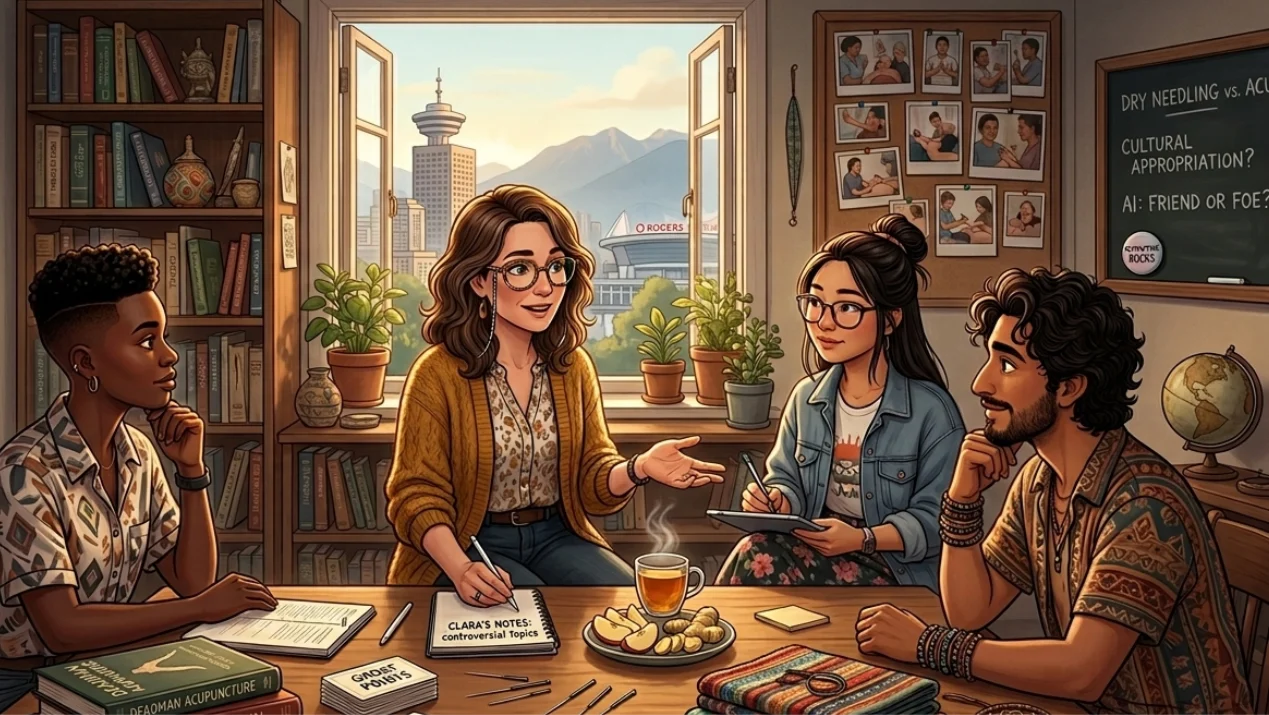
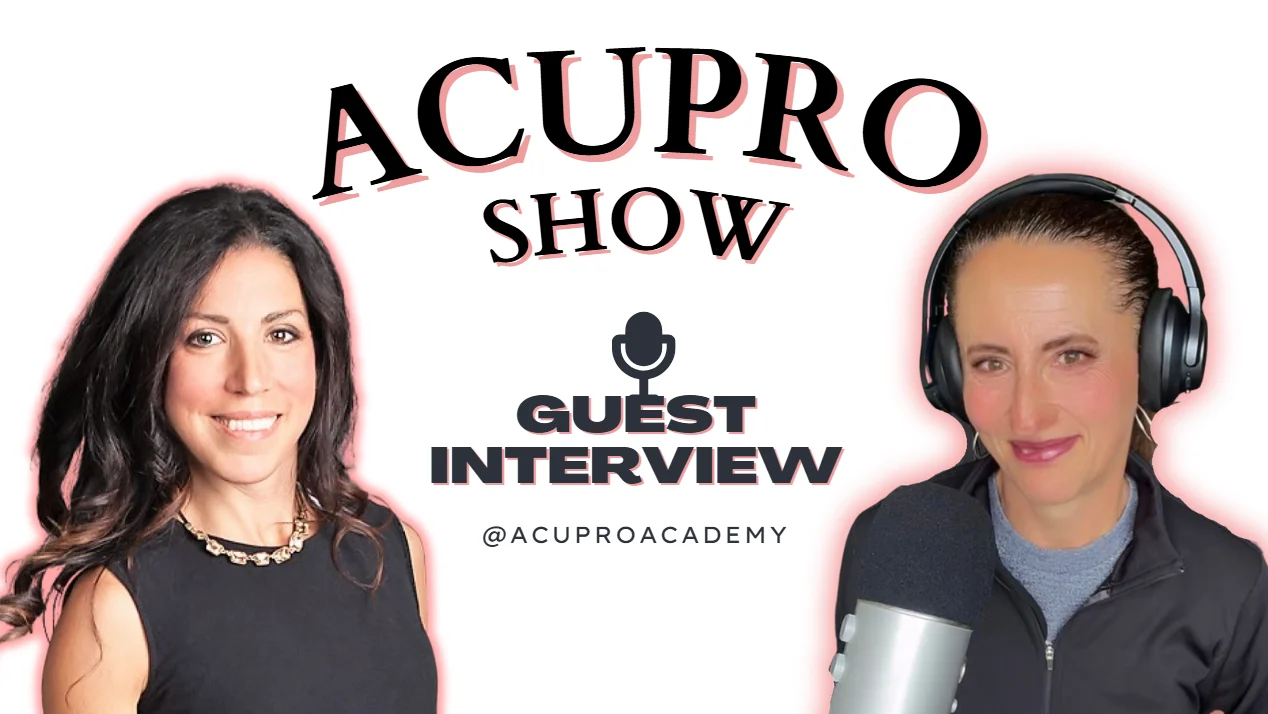
#130 – TCM’s Biggest Debates: Dry Needling, Cultural Appropriation & AI (Podcast)
Listen on Apple Podcasts Listen on Spotify Listen on Amazon Music
🔗 Links mentioned in this episode:
📚 Browse the AcuPro Book Store
📺 The 13 Ghost Points in Acupuncture
💌 Sign up to my FREE newsletter here
🩵 Curious if Jane is right for your practice? Book a free demo and get a one-month grace period with code ACUPRO1MO!
☯️ More AcuPro Episodes you’ll love:
The Future of Fertility with Kirsten Karchmer
Cultivating Healthy Patient Boundaries and Clinic Expectations with Kenton Sefcik
The BEST ways to grow as a practitioner are NOT what you think! with Dr. Drew Jamieson
Diving into Acupuncture and TCM Controversies
If you’ve been part of the AcuPro community for a while, you probably know that I don’t create controversial content. For more than 12 years, I’ve focused on education, clinical pearls, case studies, acupuncture points, and making Traditional Chinese Medicine easier to understand and apply in practice.
But today is different.
Honestly, I felt a little nervous recording this episode because we’re diving into topics that can spark strong emotions and heated debates within the acupuncture and TCM world. Yet these conversations are already happening everywhere: on social media, in schools, at conferences, and inside clinics.
So instead of avoiding them, I thought why not approach them with openness, respect, and curiosity?
The goal here is not to attack anyone or create division. It’s to encourage thoughtful discussion and invite practitioners to reflect on how we move forward as a profession.
Today, we’re exploring three major topics:
- Dry needling versus acupuncture
- Cultural appropriation in TCM
- Whether AI will replace acupuncturists
Let’s jump in.
Dry Needling vs. Acupuncture
This topic comes up constantly in our profession, and it can become incredibly emotional on both sides.
To start, I want to share a patient story.
A competitive cross-country skier came to see me for tennis elbow after trying dry needling treatments elsewhere. She told me the sessions had been painful and, more importantly, they didn’t really help her overall condition.
That situation perfectly highlights one of the core differences between dry needling and acupuncture.
Dry needling generally focuses on muscles, fascia, trigger points, and pain patterns. It is often approached from a purely musculoskeletal perspective. Acupuncture, especially within the framework of TCM, looks at the body in a much broader and more interconnected way.
As acupuncturists, we are trained to consider:
- The root cause of the condition
- Constitutional patterns
- Organ systems
- Emotional health
- Sleep
- Digestion
- Hormones
- Lifestyle factors
- The relationship between body and mind
A patient may come in for elbow pain, but the treatment might also involve addressing stress, liver qi stagnation, blood deficiency, inflammation, sleep issues, or digestive imbalances contributing to the problem.
That complexity matters.
This is why many acupuncturists feel frustrated when acupuncture is reduced to “just sticking needles into tight muscles.”
At the same time, I think it’s important to stay grounded and avoid only reacting emotionally. Rather than spending all our energy arguing online, we can focus on educating the public about the depth and sophistication of Chinese medicine.
The truth is: acupuncture is far more than needling pain points.
Is Practicing TCM as a Non-Chinese Person Cultural Appropriation?
This topic feels especially personal to me.
I’m French-born, living in Canada, and my entire career is built around teaching and practicing Chinese medicine. So naturally, I’ve reflected deeply on this conversation over the years.
Some people believe Chinese Medicine should only be practiced by Chinese practitioners because it is inseparable from Chinese culture, history, and philosophy. Others believe medicine evolves through cultural exchange and shared knowledge across generations and countries.
Personally, I believe the most important question is not who practices Chinese medicine, but how they practice it.
Are we:
- Respecting the roots of TCM?
- Honoring its history?
- Continuing to study deeply?
- Giving credit to the medicine’s origins?
- Approaching it with humility and integrity?
Medicine has always traveled across cultures. Herbs, medical systems, surgical techniques, and healing philosophies have been exchanged between civilizations for thousands of years.
But respect matters deeply.
I think problems arise when practitioners disconnect acupuncture from its roots entirely or try to erase the philosophical foundations that make Chinese medicine unique.
For me, practicing TCM means honoring an ancient system of wisdom that has transformed countless lives, including my own patients’ lives. I never want to lose sight of where this medicine came from or the generations of practitioners who preserved it.
Approaching TCM with respect, gratitude, and devotion is incredibly important.
Will AI Replace Acupuncturists?
Now for the topic that seems to make everyone simultaneously excited and terrified: AI.
Yes, I use AI tools.
I use them to help brainstorm ideas, organize information, support newsletter creation, generate summaries, and improve workflow efficiency. Technology can absolutely be useful for practitioners and educators.
But does that mean AI will replace acupuncturists?
Personally, I don’t believe so.
AI can:
- Organize information
- Generate educational content
- Assist with scheduling
- Help create social media posts
- Summarize research
- Improve administrative efficiency
But there are fundamental parts of Chinese medicine that AI cannot replicate.
AI cannot:
- Feel a pulse
- Observe Shen in real time
- Sense emotional shifts in the treatment room
- Build human trust
- Provide compassionate presence
- Intuitively adapt treatment based on subtle energetic cues
One of the most powerful parts of acupuncture is the therapeutic relationship itself.
Patients often feel deeply seen, heard, and supported during treatment. That human connection matters immensely, especially in today’s world where many people feel isolated, overwhelmed, or disconnected.
Technology may support practitioners, but it cannot replace the experience of being with another human being in a healing environment.
And honestly, I think that human connection will become even more valuable as technology continues advancing.
Why These Conversations Matter
Having conversations like these can feel uncomfortable, especially in professions where people are deeply passionate about their beliefs and training.
But growth often happens through discomfort.
Instead of approaching controversial topics with anger or defensiveness, I believe we can approach them with:
- Curiosity
- Respect
- Openness
- Critical thinking
- Compassion
We do not all need to agree on everything.
But we can continue learning from each other and strengthening the acupuncture profession through honest discussions.
Final Thoughts
I’m honestly proud that we made it through these topics together because stepping into controversial conversations publicly is not always easy.
At the end of the day, my hope is simply that we continue honoring the medicine, supporting our patients, and evolving thoughtfully as practitioners.
Chinese medicine has survived for thousands of years because it adapts while still staying connected to its roots.
That balance is incredibly important.
I would genuinely love to hear your thoughts on these discussions. You can connect with me on social media at AcuPro Academy and share your perspective respectfully and openly.
Thank you so much for being part of this community and for continuing to learn, grow, and explore these conversations with me.
And as always, keep rocking it with TCM.
Disclaimer
The Acupro Show podcast and material shared through Acupro Academy, which is a subdivision of Natural Health Sense Incorporated. Designed solely for educational and entertainment purposes. The utilization of information from this podcast or any associated material is at the user’s discretion and risk. This content is not meant to replace the guidance of an acupuncturist. Nor a Chinese medicine doctor, medical doctor, physician, or any qualified professional. It is not a substitute for proper diagnosis or treatment. Users are strongly advised not to ignore or postpone seeking medical advice for any existing medical condition with their healthcare professional, regarding any health concerns.
Need the podcast transcript? Click here!
Share this article





I’ll jokingly tell patients (if they ask the difference) that dry-needling is acupuncture for atheists!
Hahaha, that’s fantastic! I love it!