#129 – The Key to a Thriving Acupuncture Practice with Lisa Hanfileti (Podcast)
Listen on Apple Podcasts Listen on Spotify Listen on YouTube Listen on Amazon Music
🔗 Links mentioned in this episode:
💪🏼 Join hundreds of other practitioners and make 2026 the year you GROW your practice!
📔Get your copy of Lisa’s NEW Book: The Leveraged Healer here!
📱 The Acupuncture Business Academy (Facebook Group)
🩵 Curious if Jane is right for your practice? Book a free demo and get a one-month grace period with code ACUPRO1MO!
☯️ More AcuPro Episodes you’ll love:
You Asked, I Answered: Real Questions from TCM Rock Stars
Marketing Your Acupuncture Practice with Michelle Grasek
How to Attract NEW Patients Through Social Media with Molly Cahill
Building a Successful Acupuncture Practice: Business Insights Every Practitioner Needs
Starting an acupuncture practice is exciting, inspiring… and honestly, overwhelming. Most of us graduate feeling confident in our clinical skills, but far less prepared for the realities of running a business. We know how to diagnose patterns, choose points, and support patients through healing journeys, but marketing, websites, finances, and attracting patients? That’s often a completely different story.
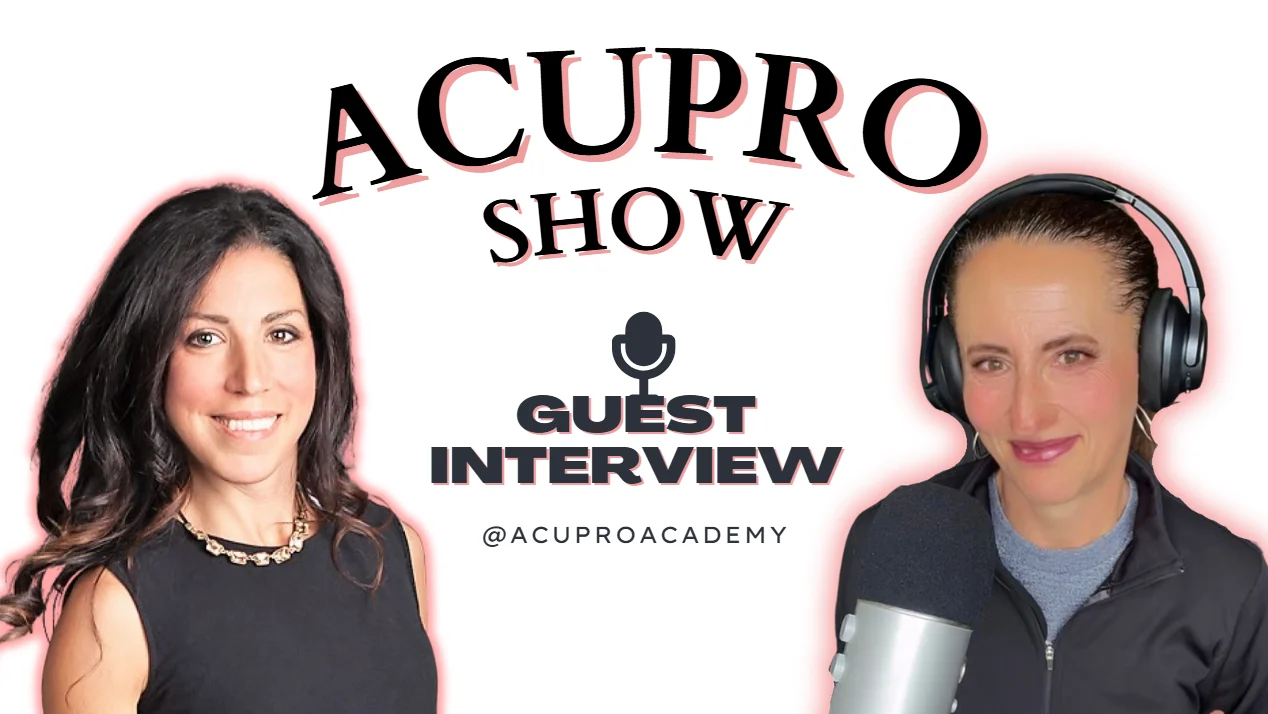
In a recent episode of the AcuPro Show, I had the pleasure of speaking with acupuncturist and business mentor Lisa Hanfileti about what it truly takes to build a sustainable acupuncture practice. Our conversation was filled with practical advice, honest reflections, and reminders that success in practice requires more than clinical knowledge alone.
The Reality Many Practitioners Face
A few weeks ago, I received a heartfelt message from a practitioner who had recently graduated and opened her clinic. She was passionate about Chinese medicine and deeply committed to helping people, but financially, things were not going well. She felt discouraged, overwhelmed, and unsure if she could continue.
Her message brought me right back to my own early days in practice.
When I graduated, I truly believed patients would simply appear because I loved acupuncture so much. Instead, I spent weeks staring at an empty schedule wondering what I was doing wrong. Nobody had really explained how much business knowledge is required to build a thriving clinic.
Like many practitioners, I quickly realized that being a good acupuncturist and running a successful business are two completely different skill sets.
Learning the Business Side of Acupuncture
Over time, I started taking business courses through local organizations like the Chamber of Commerce in Vancouver. I learned basic marketing principles, how to create a website, how to communicate my value clearly, and how to connect with potential patients online.
Looking back, my very first website was definitely a product of its time. It had decorative graphics everywhere and was far from polished, but it taught me something important: you do not need to start perfectly. You simply need to start.
Lisa echoed this beautifully during our conversation. She shared how her own journey into acupuncture evolved unexpectedly. Initially skeptical about Chinese medicine, she eventually experienced its benefits firsthand and became passionate about helping others. But as life circumstances changed, she realized she could not rely exclusively on seeing patients in person forever.
That realization pushed her to create additional income streams and rethink how her business operated.
Your Website Should Work for You
One of the most important topics we discussed was the role of a website. Many practitioners still think of their website as a simple online business card: a place to list services, clinic hours, and contact information. But today, a strong website should do much more than that.
A good website educates potential patients, builds trust, improves your visibility online, and helps people understand how acupuncture can support their health concerns. It becomes an extension of your clinic.
Lisa explained that practitioners do not need to become web designers or marketing experts overnight. In fact, learning just a few core website skills can dramatically improve your online presence:
- Updating content regularly
- Adding blogs or educational resources
- Understanding basic website statistics
- Uploading videos or photos
- Creating ways for visitors to join your email list
These small steps build momentum over time.
Start Before You Feel Ready
Technology can feel intimidating, especially if you did not grow up using it extensively. Social media, SEO, email marketing, websites. It can all seem overwhelming at first.
But one of the most encouraging reminders from our conversation was this: everyone starts at zero.
Every practitioner you admire once had no:
- Patients
- Audience
- Followers
- Website traffic
- Confidence in marketing
Growth happens gradually through consistency and willingness to learn.
You do not need to master everything immediately. Focus on one skill at a time and keep moving forward.
Why Email Lists Matter
Lisa also emphasized the importance of building an email list, something I completely agree with. Social media is wonderful, but platforms constantly change. Your email list is one of the few things you truly own.
One of the easiest ways to grow your email list is by offering a “lead magnet,” which is simply a free educational resource people receive when they subscribe.
This could include:
- A fertility guide
- Sleep support tips
- Acupressure instructions
- Nutrition recommendations
- Seasonal wellness advice
Providing valuable education allows people to connect with you before they even step into your clinic.
Creating Stability Through Multiple Revenue Streams
One of the biggest takeaways from this conversation was the importance of creating stability beyond in-person treatments.
As acupuncturists, many of us build businesses entirely around physically seeing patients. But what happens if you get injured, become sick, need time off, or simply want more flexibility?
Creating additional revenue streams can help protect both your finances and your energy.
This does not mean abandoning clinical practice. Instead, it means supporting your practice with additional opportunities such as:
- Online courses
- Digital products
- Workshops
- Herbal sales
- Memberships
- Continuing education programs
- E-books
Lisa shared how diversifying her business allowed her to navigate difficult periods in life while maintaining financial stability. That kind of flexibility can completely change the long-term sustainability of a practice.
Acupuncturists Need to Keep Evolving
The acupuncture profession has changed tremendously over the years. We are no longer limited to helping only the people in our immediate city or neighborhood. Through websites, blogs, podcasts, YouTube, and online education, we can now reach people across the world.
That is incredibly exciting.
But it also means we must continue evolving, not only clinically, but professionally and digitally as well.
The practitioners who thrive long term are often the ones willing to keep learning, adapting, and stepping outside their comfort zones.
Final Thoughts
Building a successful acupuncture practice takes time, patience, and persistence. Clinical skill is essential, but learning how to communicate your value, connect with patients, and create financial sustainability is equally important.
Remember, every successful practitioner once stood exactly where you are now: uncertain, learning, and figuring things out step by step.
Keep learning, keep growing and keep sharing your passion for Chinese medicine.
Because the world truly needs more practitioners bringing the power of acupuncture and TCM to their communities.
And as always, keep rocking it with TCM.
Disclaimer
The Acupro Show podcast and material shared through Acupro Academy, which is a subdivision of Natural Health Sense Incorporated. Designed solely for educational and entertainment purposes. The utilization of information from this podcast or any associated material is at the user’s discretion and risk. This content is not meant to replace the guidance of an acupuncturist. Nor a Chinese medicine doctor, medical doctor, physician, or any qualified professional. It is not a substitute for proper diagnosis or treatment. Users are strongly advised not to ignore or postpone seeking medical advice for any existing medical condition with their healthcare professional, regarding any health concerns.
Need the podcast transcript? Click here!
Share this article

Written by : AcuPro Academy (Clara)
Related Posts




Latest articles

October 23, 2026
October 23, 2026
October 23, 2026