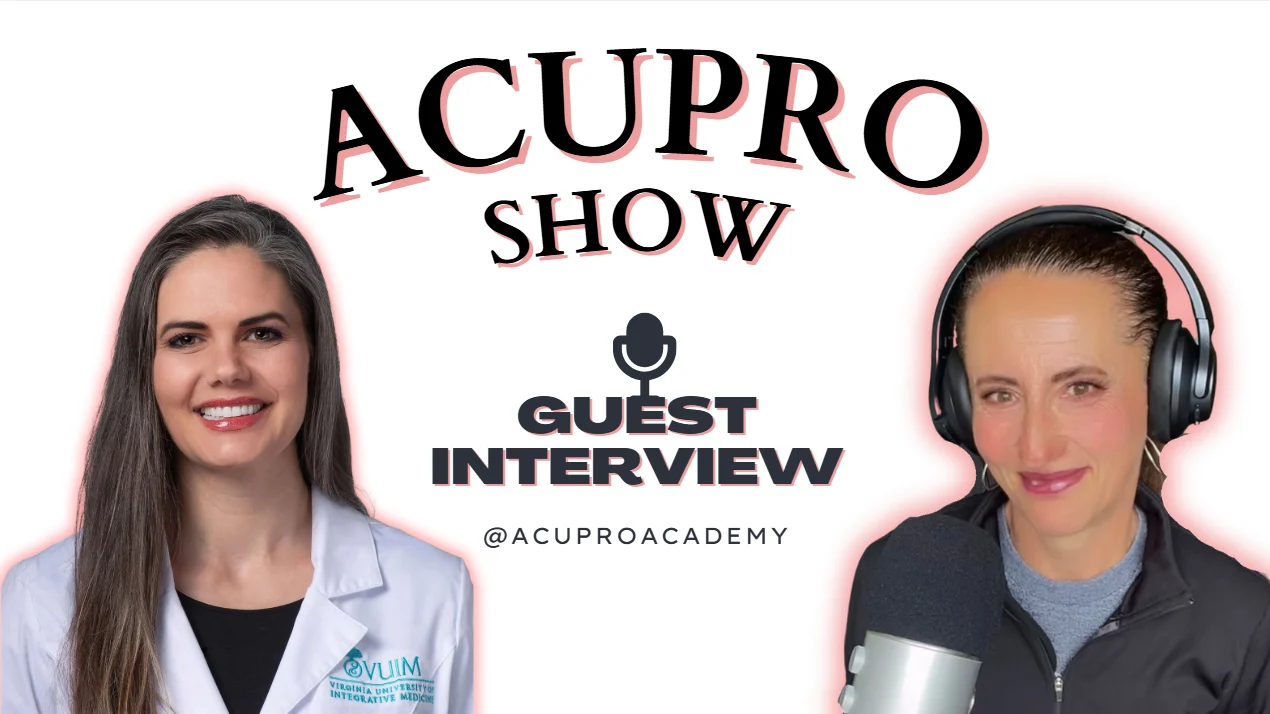
#127 – Bridging Acupuncture & Chinese Medicine with Modern Healthcare with Dr. Haley Parker (Podcast)
Listen on Apple Podcasts Listen on Spotify Listen on YouTube Listen on Amazon Music
🔗 Links mentioned in this episode:
💪🏼 Join hundreds of other practitioners and make 2026 the year you GROW your practice!
🩵 Curious if Jane is right for your practice? Book a free demo and get a one-month grace period with code ACUPRO1MO!
☯️ More AcuPro Episodes you’ll love:
How to Communicate with MDs to Get Referrals with Dr. Elie Cole
Bridging the Gap Between TCM and Western Medicine with Dr. Alex Dragan
Integrating Chinese Medicine in Modern Healthcare: Insights from Dr. Haley Parker
Integrative medicine is becoming one of the most exciting and important conversations in healthcare today. More patients are looking for collaborative, whole-person care that combines the strengths of both Western medicine and TCM. But what does true integration actually look like in practice? And how can acupuncture students and practitioners confidently step into those spaces?
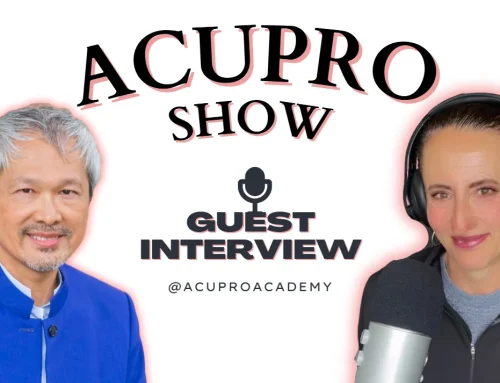
In this episode of the AcuPro Show, I had the pleasure of sitting down with Dr. Haley Parker from the Virginia University of Integrative Medicine. Haley is the Clinical Director of Community Outreach and Partnership, and our conversation explored everything from acupuncture education and externships to interdisciplinary collaboration, patient advocacy, and the growing role of TCM within modern healthcare systems.
Whether you’re a student trying to figure out your future path or a practitioner wanting to expand your impact, this conversation was packed with inspiration and practical insights.
Meet Dr. Haley Parker
One of the things I loved most about speaking with Haley is how honest and relatable her journey into Chinese medicine was. Like many practitioners, becoming an acupuncturist wasn’t originally part of her life plan.
As a former athlete, Haley experienced firsthand the physical demands and injuries that come with high-level sports. After struggling with chronic injuries, her grandfather introduced her to acupuncture. That experience completely shifted her perspective on healing and ultimately changed the direction of her life.
What stood out during our conversation was Haley’s passion not only for helping patients heal, but also for empowering them to actively participate in their health journey. That philosophy is such a beautiful reflection of Traditional Chinese Medicine itself. TCM isn’t just about symptom management, it’s about understanding the whole person.
What Does Integrative Medicine Really Mean?
“Integrative medicine” is a term we hear constantly now, but it can mean very different things depending on who’s using it.
For Haley, integrative medicine means collaboration rather than competition. It’s about understanding that no single healthcare system has all the answers. Instead of focusing on limitations, integrative medicine focuses on combining strengths to better support patients.
I loved the analogy Haley used during our conversation. She described healthcare like a wheel, where every spoke represents a different aspect of healing:
- Western medicine
- Acupuncture
- Nutrition
- Mental health support
- Movement
- Mindfulness
- Lifestyle medicine
When one spoke is missing, the wheel becomes unstable. But when all aspects work together, patient care becomes far more comprehensive and effective.
This mindset is especially important because patients today are often navigating complex chronic conditions that require multifaceted support. They want practitioners who can collaborate, communicate, and work together.
Preparing Students for the Real World
One of the biggest topics we discussed was education and how schools can better prepare students for integrative healthcare environments.
At Virginia University of Integrative Medicine, students aren’t only learning acupuncture points and herbal formulas. They’re also learning how to communicate with other healthcare providers, advocate for their patients, and confidently explain what Chinese medicine can offer.
This is huge.
Many acupuncture students graduate with strong clinical skills but feel intimidated speaking with medical doctors, specialists, or hospital teams. Haley emphasized how important it is for students to become comfortable communicating in interdisciplinary settings.
That includes learning how to:
- Write professional chart notes
- Explain acupuncture in accessible language
- Understand medical terminology
- Collaborate with specialists
- Build referral relationships
The more practitioners can bridge communication gaps, the more acupuncture becomes integrated into mainstream healthcare conversations.
Finding Value in Your Previous Experience
One part of our conversation that really resonated with me was discussing how our previous careers and life experiences can become incredible assets within our TCM practice.
Sometimes students feel like they’re “starting over” when they enter Chinese medicine. But Haley beautifully reminded us that every experience we’ve had can enrich our future work.
For example:
- A background in personal training can strengthen musculoskeletal expertise.
- Experience in psychology can improve patient communication.
- Administrative or business skills can help build a successful clinic.
- Teaching experience can translate beautifully into patient education.
Nothing is wasted.
I completely agree with this because teaching changed my own life in ways I never expected. Standing in front of a classroom was initially terrifying, but it uncovered a passion I didn’t know I had. Sharing knowledge not only helps students—it deepens our own understanding tremendously.
The Power of Externships and Clinical Experience
Another fascinating part of our discussion focused on externship opportunities for acupuncture students.
Clinical externships provide students with invaluable exposure to real-world healthcare settings and diverse patient populations. Haley discussed how students can gain experience working alongside oncology teams, gynecologists, endocrinologists, and other healthcare specialists.
Some students even participate in programs connected to hospitals and integrative care centers, including oncology support settings like Memorial Sloan Kettering.
These experiences are transformative because they expose students to:
- Different healthcare models
- Complex patient cases
- Interdisciplinary collaboration
- Diverse communities
- Specialized treatment areas
Externships also help students discover what areas of Chinese medicine they feel most passionate about.
Some may fall in love with fertility.
Others may gravitate toward pain management, oncology support, mental health, or women’s health.
Exposure creates clarity.
Why Communication Matters So Much
One of the recurring themes throughout our conversation was communication.
As acupuncturists, we often deeply understand the power of Chinese medicine. But if we cannot clearly communicate its value to patients, doctors, or healthcare systems, integration becomes much more difficult.
This doesn’t mean abandoning TCM terminology or philosophy. It simply means learning how to explain concepts in ways that are relatable and understandable.
For example, instead of only saying:
“Acupuncture moves Liver Qi stagnation,”
we may also explain:
“Acupuncture can help regulate the nervous system, reduce stress responses, improve circulation, and support emotional balance.”
Both perspectives can coexist beautifully.
The future of integrative medicine depends heavily on practitioners who can bridge those worlds.
TCM’s Growing Role in Healthcare
It’s incredibly exciting to witness how acupuncture and Chinese medicine continue gaining recognition across healthcare settings.
More hospitals and clinics are integrating acupuncture into programs involving:
- Oncology support
- Pain management
- Fertility care
- Mental health
- Post-surgical recovery
- Women’s health
- Neurological rehabilitation
Patients are actively searching for more holistic and preventative approaches to healthcare. They want to feel heard, supported, and empowered—not just treated symptomatically.
This is where TCM shines.
Chinese medicine offers a framework that considers the entire person: physically, emotionally, mentally, and environmentally.
Teaching, Mentorship, and Community
One thing Haley and I both strongly believe is that mentorship and community matter deeply within this profession.
Chinese medicine can sometimes feel isolating, especially for new graduates. Having supportive teachers, colleagues, and mentors can completely change the trajectory of someone’s career.
Teaching also plays a major role in preserving and expanding this medicine. Whether formally teaching at a university or simply mentoring younger practitioners, sharing knowledge strengthens the profession as a whole.
The more we collaborate instead of compete, the stronger our TCM community becomes.
Final Thoughts
My conversation with Dr. Haley Parker was such a beautiful reminder that Chinese medicine continues evolving while staying deeply rooted in ancient wisdom.
Integrative medicine isn’t about replacing one system with another. It’s about collaboration, communication, and creating the best possible outcomes for patients.
As practitioners and students, we all have unique skills, experiences, and perspectives that can help shape the future of healthcare. Whether you’re interested in teaching, hospital integration, community outreach, or building referral relationships, there’s space for you within this growing movement.
The future of TCM is incredibly bright, and conversations like this remind me why I’m so passionate about this medicine and this community.
Thank you so much for spending time with me today. If you enjoyed this discussion, share it with a fellow student or practitioner who might benefit from it.
And as always, keep rocking it with TCM!
Disclaimer
The Acupro Show podcast and material shared through Acupro Academy, which is a subdivision of Natural Health Sense Incorporated. Designed solely for educational and entertainment purposes. The utilization of information from this podcast or any associated material is at the user’s discretion and risk. This content is not meant to replace the guidance of an acupuncturist. Nor a Chinese medicine doctor, medical doctor, physician, or any qualified professional. It is not a substitute for proper diagnosis or treatment. Users are strongly advised not to ignore or postpone seeking medical advice for any existing medical condition with their healthcare professional, regarding any health concerns.
Need the podcast transcript? Click here!
Share this article