#139 -Understanding Fertility Acupuncture with Emily Marson (Podcast)
Listen on Apple Podcasts Listen on Spotify Listen on YouTube Listen on Amazon Music
🔗 Links mentioned in this episode:
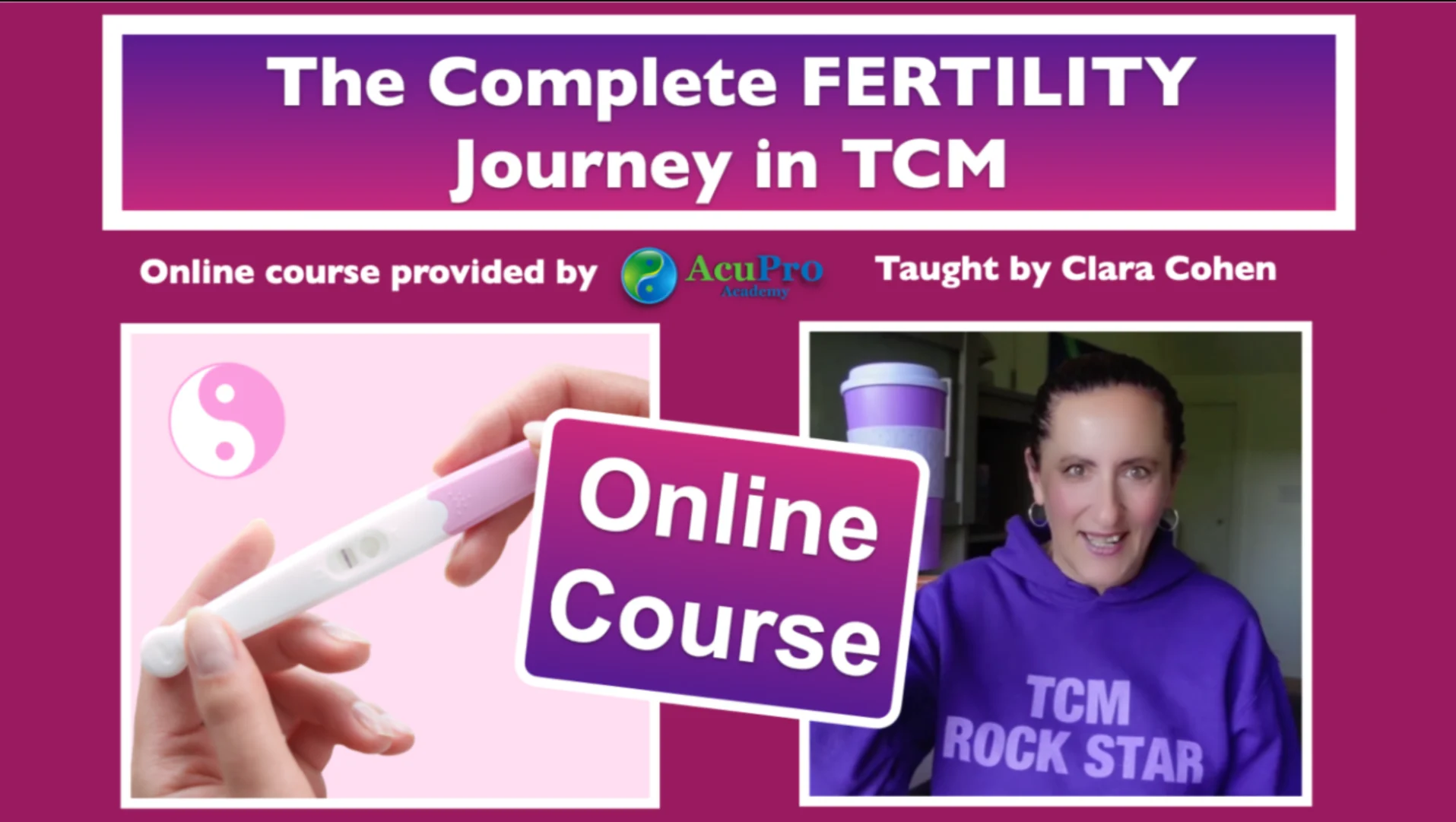
🪷Help more patients conceive with confidence with Clara’s Fertility Course!
🤝 Connect with Emily Instagram | Website
📔This is Marketing by Seth Godin
☯️ More AcuPro Episodes you’ll love:
Fertility Acupuncture with Mike Berkley
Empowering Women’s Health: Fertility & TCM with Allison Locke
The Future of Fertility with Kirsten Karchmer
Understanding Fertility Acupuncture with Emily Marson
Fertility is one of those areas in acupuncture that can be incredibly rewarding, but it can also feel intimidating.
Most of us graduate from TCM school with a solid understanding of Chinese medicine patterns and acupuncture points, yet many practitioners quickly realize that treating fertility requires a much deeper understanding of the reproductive system, hormones, lab work, and assisted reproductive technologies. It’s no wonder so many acupuncturists feel underprepared when patients come to them with questions about IVF, egg quality, or unexplained infertility.
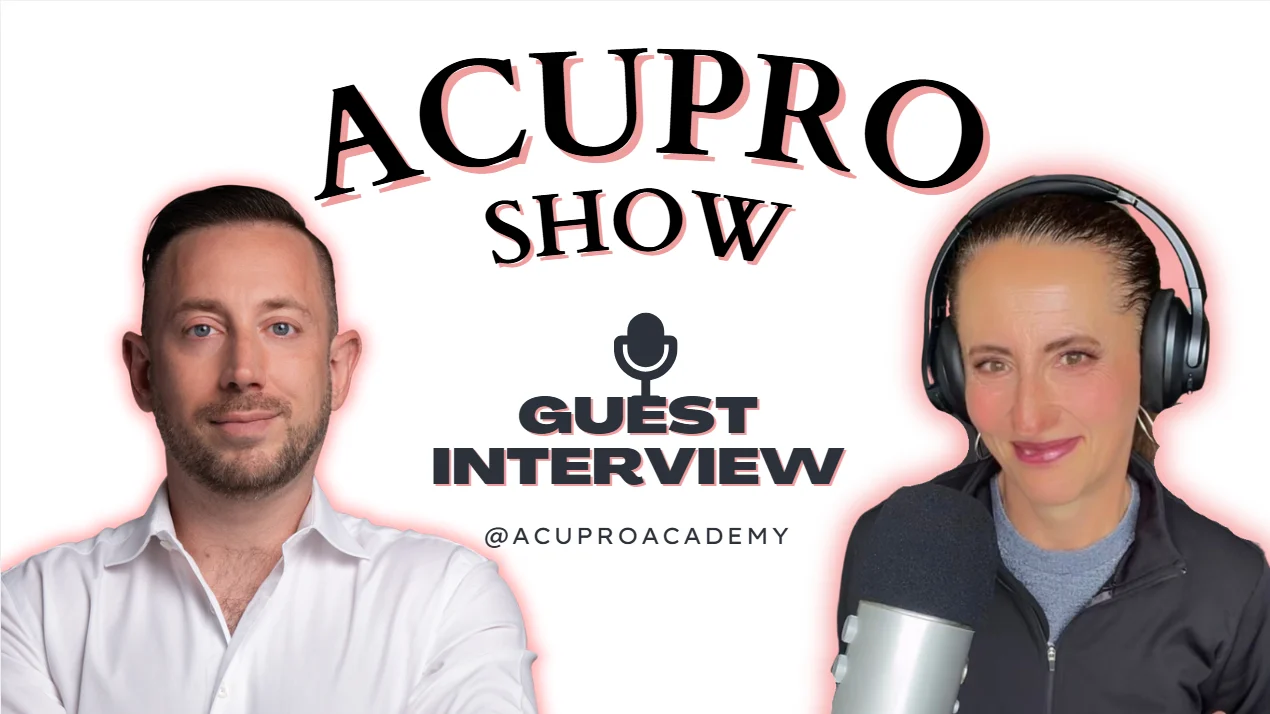
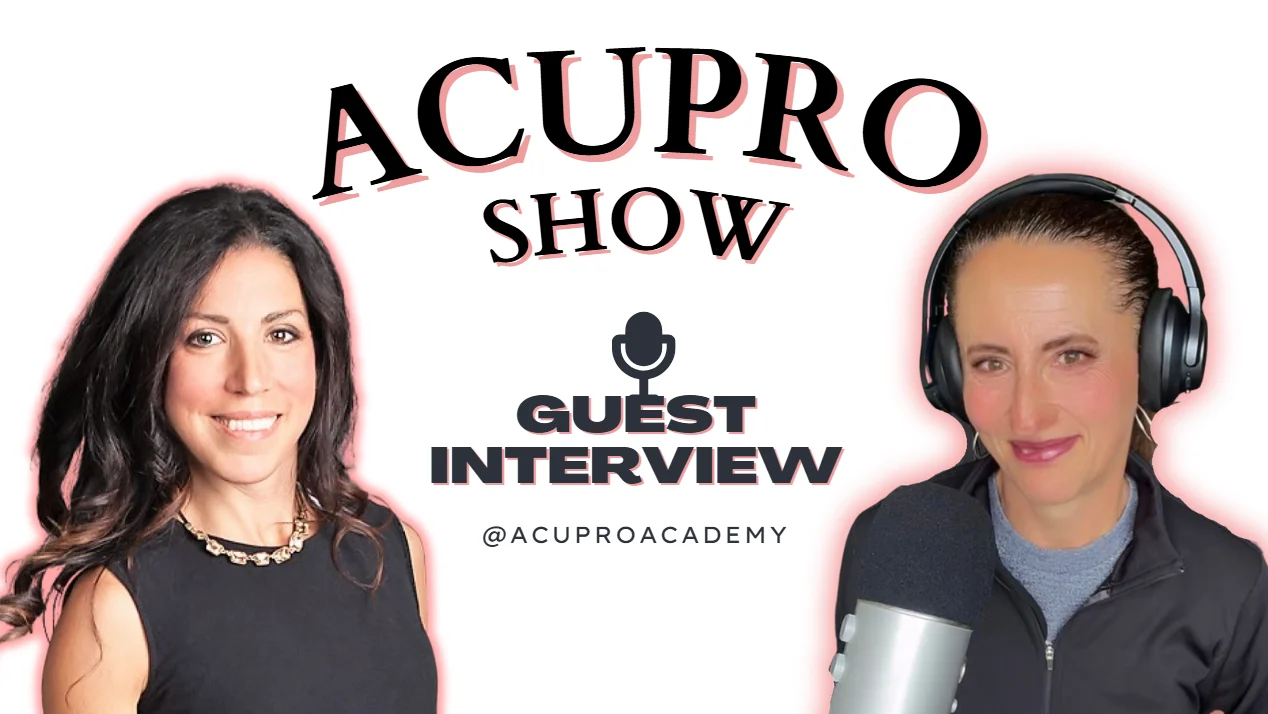
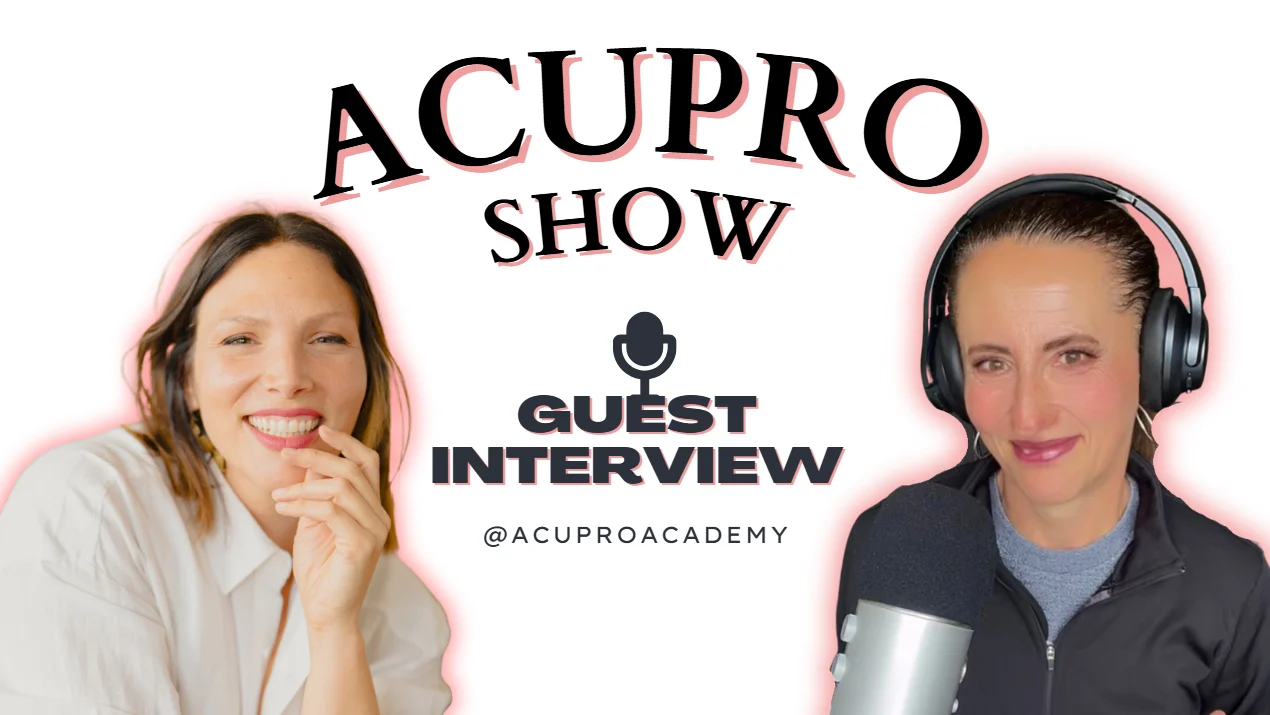
That’s exactly why I was so excited to welcome fertility acupuncturist Emily Marson to the AcuPro Show. Based in sunny San Diego, Emily has dedicated her entire practice to fertility, and her passion for supporting patients through one of the most emotional journeys of their lives shines through in everything she does.
How Emily Found Her Way to Fertility Acupuncture
Interestingly, fertility wasn’t Emily’s original plan.
Before becoming an acupuncturist, she worked in finance. When she entered Chinese medicine school, she initially thought she would specialize in sports medicine. But during her clinical training, she started seeing fertility patients and experienced something that changed the trajectory of her career.
Even with limited knowledge at the time, she noticed remarkable outcomes. Women who had been struggling to conceive began getting pregnant, and she realized just how profound acupuncture could be in supporting fertility.
That sparked a desire to learn more. Emily immersed herself in reproductive endocrinology and Western fertility medicine, eventually creating an entire practice devoted to helping individuals and couples grow their families.
Why Niching Down Can Transform Your Practice
One of my favorite parts of our conversation was Emily’s perspective on specialization.
Many practitioners worry that narrowing their focus means limiting their patient pool. But Emily believes the opposite is true.
Patients looking for fertility support are often searching for someone who understands their journey deeply. They want a practitioner who speaks confidently about IVF protocols, ovarian reserve, hormone levels, and male fertility factors.
Instead of trying to be everything to everyone, becoming known for one area allows you to develop expertise and build trust.
As Emily explained, people don’t usually want a generalist when navigating fertility challenges. They want someone who has dedicated their practice to understanding this complex field.
Fertility Is More Than a Physical Journey
Anyone who has worked with fertility patients knows that this journey extends far beyond ovulation and hormones.
Trying to conceive can affect every aspect of a person’s life. There are emotional highs and devastating lows. There are financial pressures, relationship stressors, and moments of grief that often go unseen.
Emily emphasized how important it is for practitioners to create a safe space where patients feel heard and supported.
Sometimes, our role isn’t simply to place needles.
Or, it’s to provide hope.
Sometimes, it’s to answer questions and explain options.
And sometimes, it’s simply to sit with someone through disappointment and remind them that they are not alone.
Why Understanding Western Medicine Matters
One thing I absolutely loved about Emily’s approach is that she embraces both Eastern and Western medicine.
Rather than viewing them as opposing systems, she sees them as complementary.
Western reproductive medicine excels at addressing structural and hormonal issues through interventions such as:
Meanwhile, acupuncture helps support the body’s ability to regulate and coordinate these processes.
Chinese medicine can improve blood flow, regulate cycles, reduce stress, support implantation, and optimize overall health: creating an environment that allows Western interventions to work even more effectively.
Together, they become a powerful partnership.
Understanding “Unexplained Infertility”
One of the most frustrating diagnoses for patients is unexplained infertility.
Everything appears normal. Lab tests look good. Imaging is clear. Yet pregnancy isn’t happening.
Emily shared that these are often some of the patients who benefit tremendously from acupuncture.
From a TCM perspective, dysfunction doesn’t always show up on blood tests.
Qi stagnation, Blood deficiency, Kidney deficiency, stress, and subtle imbalances may all contribute to difficulties conceiving, even when conventional medicine cannot identify a specific cause.
This is where Chinese medicine truly shines: looking beyond isolated numbers and viewing the body as an interconnected whole.
Fertility Support Includes Men Too
Another important topic we discussed was male factor infertility.
It’s easy to focus exclusively on the female partner, but sperm quality plays a major role in fertility outcomes.
Acupuncture can support men by addressing issues such as:
- Sperm motility
- Morphology
- Count
- Stress and nervous system regulation
- Overall health and lifestyle factors
Treating both partners often leads to better outcomes and creates a stronger sense of teamwork throughout the process.
Supporting Every Path to Parenthood
Families come in many forms, and Emily beautifully highlighted the importance of supporting everyone on their fertility journey.
Whether someone is pursuing pregnancy as a single parent, part of a same-sex couple, or through assisted reproductive technologies, acupuncture can play an important role.
By focusing on egg quality, blood flow, hormonal balance, and nervous system regulation, Chinese medicine helps optimize the body and improve the chances of success with treatments like IUI and IVF.
At its core, fertility acupuncture is about helping people achieve their dreams of building a family. Whatever that journey looks like.
Never Stop Learning
One message Emily repeatedly emphasized was the importance of continuing education.
The world of reproductive medicine evolves quickly, and staying informed allows practitioners to communicate more effectively with patients and collaborate confidently with physicians and fertility clinics.
The more we understand both Chinese medicine and Western medicine, the better equipped we are to guide patients through every stage of the process.
Final Thoughts
Treating fertility patients requires compassion, patience, and a willingness to keep learning.
It isn’t always easy, and there will be difficult conversations and heartbreaking moments along the way. But there are also incredible victories: the kind that remind us why we chose this profession in the first place.
Helping someone become a parent is one of the greatest privileges we can experience as practitioners.
A huge thank you to Emily Marson for sharing her wisdom and passion with the AcuPro community.
And remember, whether you’re just beginning your fertility journey as a practitioner or have years of experience, keep learning, keep growing, and keep rocking it with TCM!
Disclaimer
The Acupro Show podcast and material shared through Acupro Academy, which is a subdivision of Natural Health Sense Incorporated. Designed solely for educational and entertainment purposes. The utilization of information from this podcast or any associated material is at the user’s discretion and risk. This content is not meant to replace the guidance of an acupuncturist. Nor a Chinese medicine doctor, medical doctor, physician, or any qualified professional. It is not a substitute for proper diagnosis or treatment. Users are strongly advised not to ignore or postpone seeking medical advice for any existing medical condition with their healthcare professional, regarding any health concerns.
Need the podcast transcript? Click here!
Share this article