
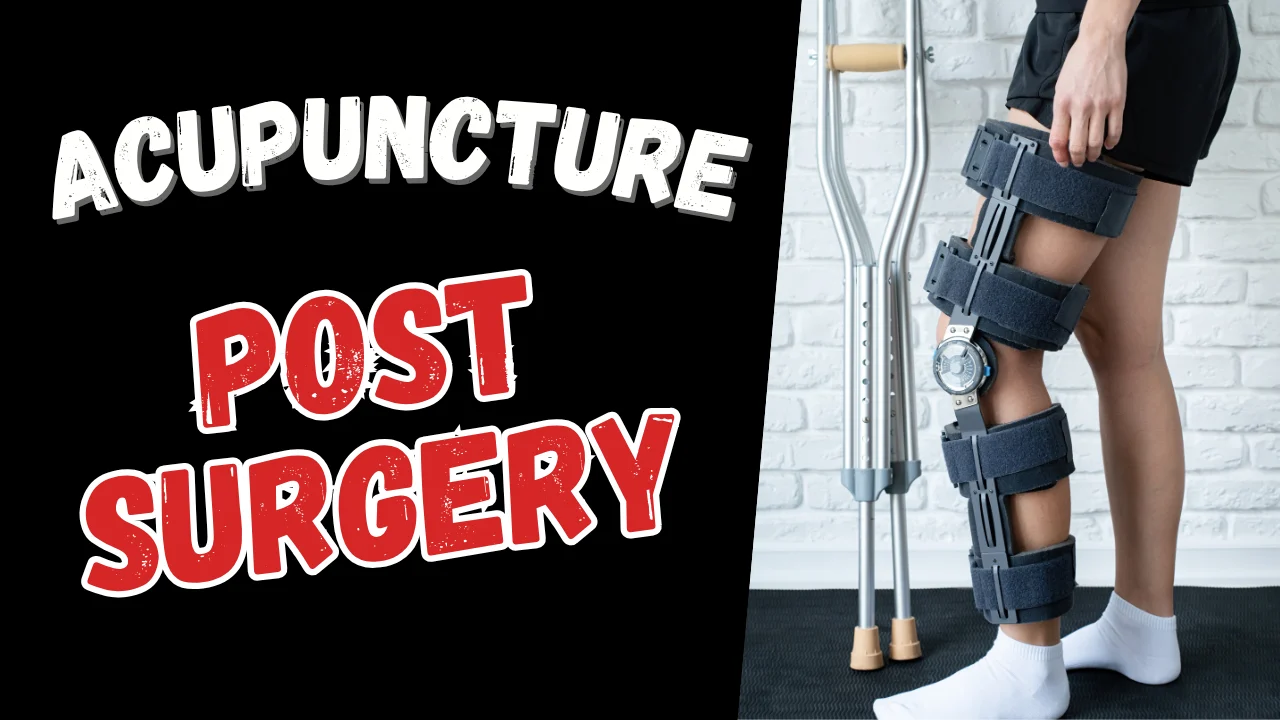
Post Surgery Acupuncture For Faster Recovery
Have you ever had a patient ask you, “I’m scheduled for surgery… can acupuncture help?”
It’s one of those moments that can catch you off guard, because let’s be honest, most of us didn’t learn this in school. I definitely didn’t.
So what do you say?
Which points are safe?
When should you treat: before surgery, after, or both?
If you’ve ever felt unsure, you’re not alone. The good news is that acupuncture can play a powerful role in both preparing the body for surgery and supporting recovery afterward, and once you understand the strategy, it becomes incredibly intuitive.
Let’s break it down so you can feel confident the next time this comes up in clinic.
Clara
TCM Geek
Links mentioned in this video:
💌 Sign up to my FREE newsletter here
📘 Get your copy of Chinese Medicine Treatments Made Easy Book or PDF
👂Auricular Therapy Made Easy Online Course -Earn 4.5 CEUs!
Post Surgery Acupuncture For Faster Recovery
Why Acupuncture Matters for Surgery
From a Western perspective, surgery is a controlled, necessary intervention.
From a TCM perspective, it is also a significant trauma to the body.
Surgery:
- Consumes Qi and Blood
- Disrupts the Spleen and Stomach
- Creates stagnation (especially Blood stasis)
- Affects the Shen (stress, anxiety, fear)
On top of that, patients are often dealing with:
- Pain medications
- Digestive disruption
- Fatigue and slow recovery
This is where we come in.
Acupuncture can help:
- Strengthen the body before surgery
- Reduce post-op pain and inflammation
- Speed up recovery
- Support energy and digestion
- Minimize complications
This is where TCM shines.
Pre-Surgery Acupuncture: Setting the Foundation
If you can support your patient before surgery, that is ideal.
Think of it as building a strong foundation so the body can handle the trauma more efficiently.
Timing:
Start about 2–3 weeks before surgery, aiming for 1–2 treatments per week.
Treatment Principle:
Tonify Qi and Blood, support digestion, calm the nervous system.
Key Points:
- Stomach 36 → Tonifies Qi and Blood, boosts immunity
- Spleen 6 → Supports digestion and Blood
- Ren 6 → Strengthens overall Qi
You can also incorporate:
- Kidney points → support essence and recovery
- Lung points → support Qi and immune function
Auricular Therapy is a beautiful addition here:
- Calms the nervous system
- Reduces anxiety
- Helps regulate the autonomic response
Even something as simple as ear seeds can make a big difference leading up to surgery.
Post-Surgery Acupuncture: A Stage-Based Approach
After surgery, treatment needs to evolve based on the stage of healing.
Stage 1: Acute Recovery (First Week)
Once the patient is medically stable, you can begin gentle support.
Treatment Principle:
Move Qi and Blood, reduce pain, support healing gently.
Key Points:
- Large Intestine 4 → Moves Qi, reduces pain
- Liver 3 → Moves Liver Qi and Blood
Stick to distal points only at this stage.
Avoid needling near the surgical site.
Think: gentle, supportive, not aggressive.
Stage 2: Weeks 1–4 Post-Surgery
Now we start to rebuild while continuing to move stagnation.
Treatment Principle:
Restore flow, tonify, reduce inflammation, prevent scar tissue formation.
Continue with:
- ST36, SP6, REN6 → for recovery and energy
Add:
- Gentle local points (once appropriate and healed)
- Channels related to the surgical area
This is where you begin to transition from acute care to rebuilding.
Stage 3: 1–3 Months Post-Surgery
At this stage, the focus shifts to full recovery and preventing long-term issues.
Treatment Principle:
Resolve residual stagnation + rebuild Qi and Blood.
You can now:
- Use more local points
- Integrate balance method acupuncture
- Add auricular therapy for continued support
A favorite point here:
- Gallbladder 34 → Excellent for tendon and joint recovery
This phase is crucial for preventing chronic pain or lingering weakness.
Nutrition: Supporting Healing from the Inside Out
Food plays a massive role in recovery.
Encourage your patients to focus on:
- Warm, cooked foods
- Easy-to-digest meals
- Nutrient-dense options
Great choices include:
- Bone broth
- Soups and stews
- Dark leafy greens
- Root vegetables
Foods to avoid:
- Raw and cold foods
- Sugar and processed foods
- Alcohol
Remember: we want to support the Spleen so it can rebuild Qi and Blood.
Supplements & Herbal Support
There are some helpful additions, but this is where communication is key.
Always remind patients to check with their surgeon before adding anything.
Common recommendations:
- Bromelain → reduces swelling
- Vitamin C → supports tissue healing
- Arnica → helps with bruising
Herbal formulas can also be incredibly effective, but only if you are trained and it’s appropriate for the patient.
Final Thoughts
Supporting patients through surgery is one of the most rewarding ways to use acupuncture.
You’re not just helping with pain, you’re:
- Preparing the body
- Supporting recovery
- Improving outcomes
- Empowering your patients
And the best part? Once you understand the framework, it becomes simple and adaptable.
Next time a patient asks, “Can acupuncture help with my surgery?”
You’ll know exactly what to say.
Share this article














Great video, very useful. Thank you very much!
I’m so happy you enjoyed it 🙂