Blood Deficiency in TCM: Causes and Treatments (Acupuncture, Formulas & Food)
If you’ve ever wondered whether anemia and Blood Deficiency in Chinese Medicine are the same thing, you’re definitely not alone. This is one of the most common questions I get from acupuncture students and practitioners alike. While there can be overlap between the two, Blood Deficiency in TCM is far more nuanced than a single lab value on a blood test.
In Chinese medicine, Blood isn’t just a substance. It nourishes the organs, anchors the mind, and moistens the tissues. Additionally, it supports everything from sleep and digestion to menstruation and emotional health. That’s why someone can have “normal” bloodwork and still present with clear signs of Blood Deficiency from a TCM perspective.
In this video, I break down how Blood is formed and functions according to Chinese medicine, including the key organ systems involved and the common ways this pattern develops in modern life. We’ll explore the most frequent causes and clinical presentations you’ll see in practice: from fatigue and dizziness to anxiety, insomnia, pale complexion, and menstrual irregularities, and how to confidently recognize them.
I’ll also walk you through practical and effective treatment strategies using acupuncture, herbal medicine, and nutrition, with a strong emphasis on clinical reasoning (not memorization). And of course, I’m sharing one of my favourite clinical hacks, something I use regularly that can significantly enhance your results when treating Blood Deficiency.
Whether you’re a student trying to solidify the basics or a practitioner wanting to refine your treatments, this one will give you clarity, confidence, and tools you can use right away.
Let’s do this!
Clara
TCM Geek
Links mentioned in this video:
📗Chinese Medicine Made Easy Book or PDF
📘Chinese Medicine Treatments Made Easy Book or PDF
💻AcuPro Academy On-Demand Masterclasses
🎬 The 8 Extraordinary Vessels Made Easy
🩵 Curious if Jane is right for your practice? Book a free demo and get a one-month grace period with code ACUPRO1MO!
Blood Deficiency in TCM with Treatments (Acupuncture, Formulas & Food)
Understanding Blood in Traditional Chinese Medicine
In TCM, blood (Xue) is much more than a circulatory substance. Blood is responsible for nourishing the tissues, moistening the body, anchoring the spirit (Shen), and supporting mental and emotional stability. Without sufficient blood, both physical and emotional health suffer.
Blood is primarily formed by the Spleen and Stomach, which extract nutrients from food and transform them into qi and blood. This process relies heavily on adequate digestion, proper diet, and sufficient minerals such as iron. However, blood production is not limited to digestion alone.
We also inherit prenatal essence from the Kidneys, which contributes to marrow production and ultimately supports blood formation. The Heart governs blood, ensuring proper circulation, while the Liver stores blood and regulates its smooth movement throughout the body. The Lungs assist by distributing qi, which helps move blood efficiently.
This interconnected system explains why blood deficiency rarely exists in isolation. It almost always involves multiple organ systems.
Blood, Qi, and the Shen
One of the most important relationships in TCM is that blood is the mother of qi. Qi generates blood, and blood nourishes qi. When blood is deficient, qi becomes unstable, and symptoms such as fatigue, anxiety, palpitations, poor memory, and insomnia often arise.
Blood also plays a key role in anchoring the Shen. When blood is insufficient, the mind may feel restless, unfocused, or anxious. This is why blood deficiency should always be considered in mental-emotional presentations, not just physical ones.
Common Causes of Blood Deficiency
Blood deficiency can develop slowly over time or occur more acutely, depending on the underlying cause. In clinical practice, the most common contributors include:
-
Poor diet that fails to nourish the Spleen, leading to impaired blood production
-
Chronic overwork, mental strain, or long-term stress
-
Heavy menstrual bleeding, postpartum blood loss, or gynecological conditions
-
Chronic illness, inflammation, or digestive weakness
-
Trauma, surgery, or accidents resulting in significant blood loss
I’ve personally experienced blood deficiency after years of overworking and ignoring my body’s signals. My ferritin levels dropped dangerously low, and recovery required both lifestyle changes and proper nourishment. It was a powerful reminder that even practitioners are not immune.
Clinical Signs and Symptoms of Blood Deficiency
Blood deficiency often presents subtly at first, but the signs are there if you know what to look for. Common clinical observations include pale complexion, lips, nails, and tongue, along with fatigue, poor concentration, dizziness, and dry skin or hair.
Different organs express blood deficiency in distinct ways:
-
Heart Blood Deficiency: palpitations, anxiety, insomnia, poor memory
-
Liver Blood Deficiency: blurry vision, pale nails, muscle cramps, numbness
-
Spleen Blood Deficiency: poor appetite, loose stools, fatigue, weak limbs
When blood deficiency remains untreated, it can progress into yin deficiency or lead to blood stasis, as there is insufficient substance to keep circulation smooth.
Is Anemia the Same as Blood Deficiency?
From a Western medical perspective, anemia is defined by low hemoglobin or iron levels. In TCM, however, blood deficiency is diagnosed through pattern differentiation, not lab values alone.
A patient can have normal blood work and still present with blood deficiency symptoms in TCM—or have anemia without classic blood deficiency signs. This is why tongue diagnosis, pulse assessment, and symptom patterns remain essential tools in our medicine.
Treating Blood Deficiency in Clinical Practice
Acupuncture Strategies
When treating blood deficiency, always address the root pattern first, rather than chasing symptoms. Some points are particularly versatile and appear in many treatment plans, such as ST 36 and SP 6, which support overall blood production and nourishment.
Point selection should reflect which organs are most affected, whether Heart, Liver, Spleen, or a combination.
Herbal Medicine
Herbal formulas are incredibly effective for treating blood deficiency—when used appropriately and within your scope of practice. Some of my most-used formulas include:
-
Si Wu Tang for Liver and Heart blood deficiency
-
Ba Zhen Tang when both qi and blood are deficient, especially involving the Spleen
-
Gui Pi Tang for Heart and Spleen blood deficiency with anxiety or insomnia
These formulas do more than supplement blood; they help restore harmony between organs.
Nutrition for Blood Building
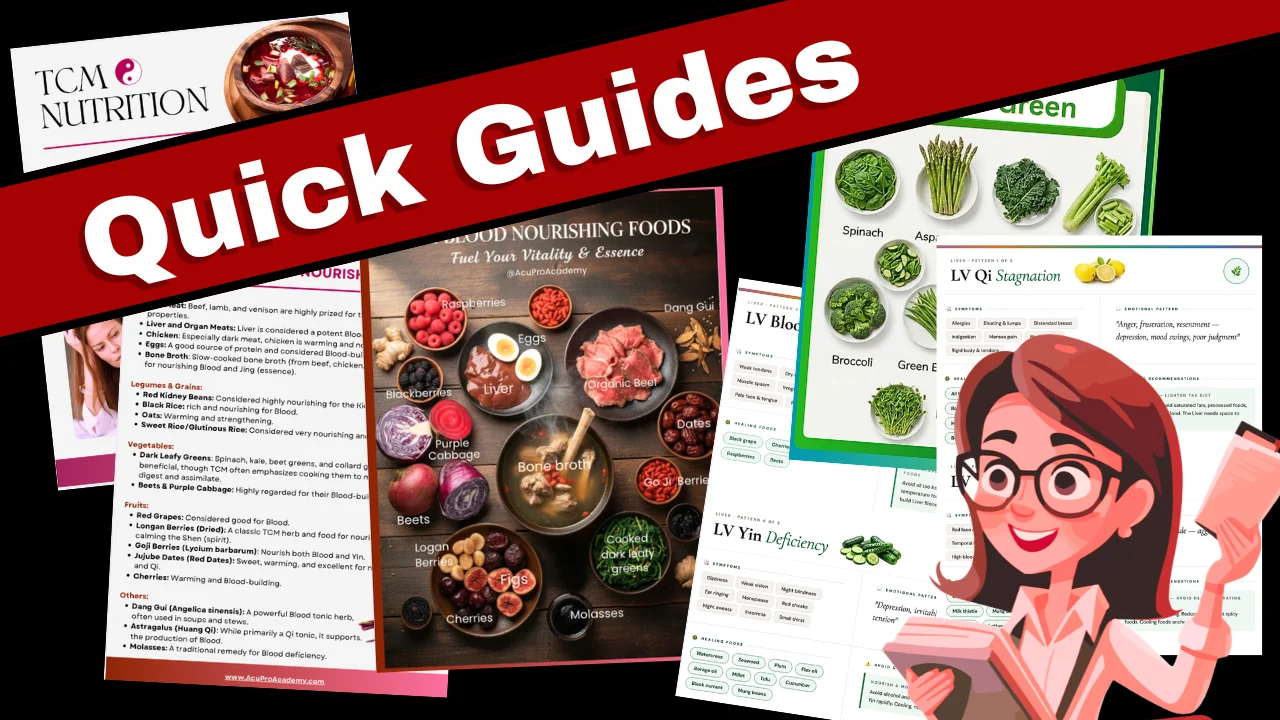
Food therapy plays a major role in supporting blood. I often recommend warm, cooked foods that are easy to digest and rich in nutrients. Red and purple foods such as beets, cherries, berries, and bone broths are particularly helpful.
Avoid excessive raw or cold foods, as they can further weaken the Spleen and impair blood production.
A Clinical Hack: Accessing the Sea of Blood
One of my favorite techniques for nourishing blood involves the extraordinary vessels, specifically the Chong Mai, known as the Sea of Blood.
By pairing SP 4 on the right with PC 6 on the left, you can directly access the Chong vessel. This combination is especially powerful in cases of:
-
Blood deficiency during pregnancy
-
Perimenopause and menopause
-
Chronic fatigue with gynecological involvement
This approach adds depth and effectiveness to your treatments without complicating your point prescription.
Final Thoughts
Blood deficiency is one of the most foundational patterns we encounter in clinical practice, yet it is often underdiagnosed or oversimplified. By understanding how blood functions in TCM, recognizing subtle clinical signs, and applying thoughtful treatment strategies, you can profoundly impact your patients’ health.
Whether you’re supporting menstruation, mental health, fertility, or recovery from burnout, addressing blood deficiency properly makes all the difference.
Share this article

Written by : AcuPro Academy (Clara)
Related Posts


Latest articles
April 8, 2026