Acupuncture to Manage Diabetes in Chinese Medicine
Did you know that over 540 million people worldwide are living with diabetes? In the U.S. alone, more than 38 million—that’s about 11% of the population—have been diagnosed. Even more surprising? 90% of all diabetes cases are Type 2, which is often reversible and manageable with Chinese medicine and acupuncture.
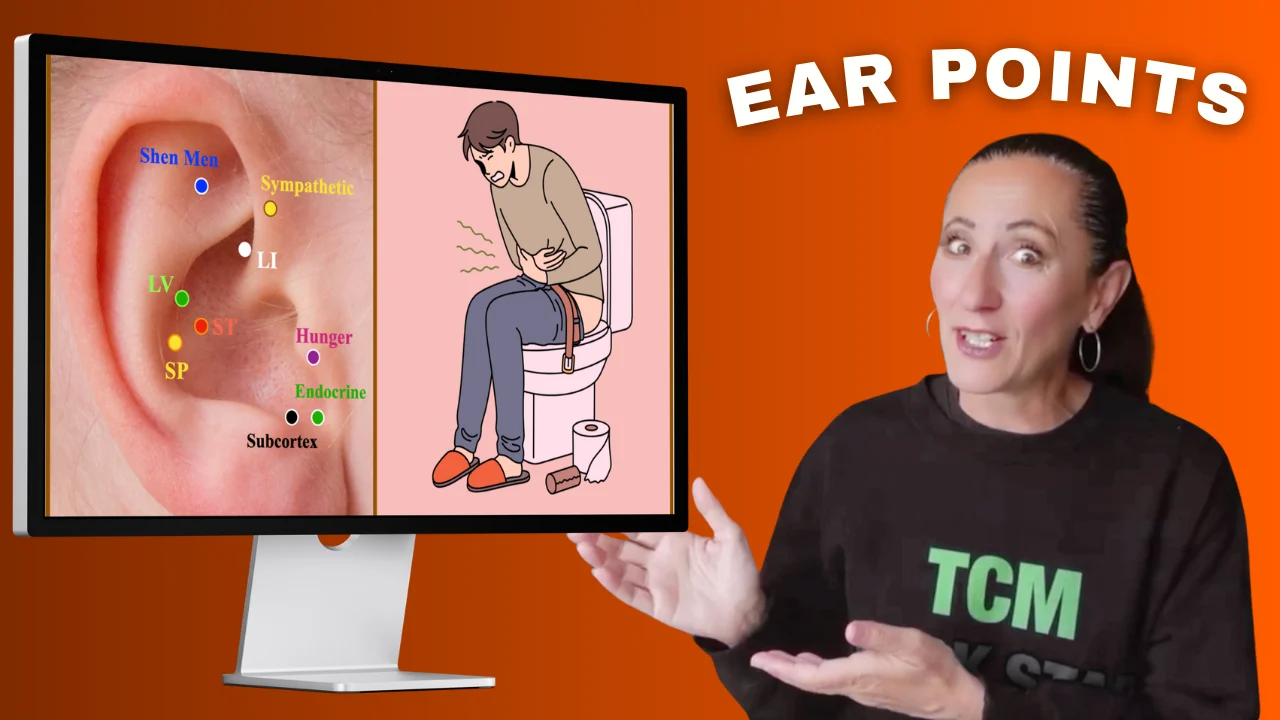
Today, we’re diving into diabetes from both a Western and a Traditional Chinese Medicine (TCM) perspective. We’ll explore the different types of diabetes, what it looks like in Western medicine, and the risk factors and complications when it’s left untreated. You’ll also learn about TCM treatments, including acupuncture, auricular therapy, herbal formulas, food therapy, and the best supplements to support blood sugar balance naturally.
Whether you’re an acupuncturist, a student of TCM, or simply looking for holistic solutions, this video will give you a comprehensive look at how Chinese medicine can support people living with diabetes. Let’s go!
Clara
TCM Geek
PS: Diabetes can be a difficult condition, physically, mentally and spiritually to manage. This is what I tell my patients.
Links mentioned in this video:
💌 Sign up for my FREE email to get the latest TCM Tips
And if you enjoy my graphics and haven’t invested in my AcuPoints Made Easy Book (PDF or Hard Copy) yet, get your copy here! 🙏
Acupuncture to Manage Diabetes in Chinese Medicine
🔍 What Is Diabetes?
Diabetes is a chronic metabolic condition characterized by high blood glucose levels. There are four primary types:
1. Type 1 Diabetes
-
Autoimmune condition.
-
The body attacks insulin-producing cells in the pancreas.
-
Requires lifelong insulin therapy.
2. Type 2 Diabetes
-
Most common type (90–95% of cases).
-
The body becomes insulin resistant or produces insufficient insulin.
-
Linked to lifestyle factors, genetics, and obesity.
-
Often managed with diet, exercise, medication, or insulin.
3. Gestational Diabetes
-
Develops during pregnancy.
-
Usually resolves after childbirth.
-
Increases the future risk of type 2 diabetes.
4. Pre-diabetes
-
Blood sugar levels are elevated, but not yet in the diabetic range.
-
Major warning sign; can be reversed with lifestyle changes.
⚠️ Symptoms of Diabetes (Western View)
-
Frequent urination (polyuria)
-
Excessive thirst (polydipsia)
-
Increased hunger (polyphagia)
-
Unexplained weight loss
-
Fatigue, blurred vision
-
Slow-healing wounds
Note: Type 2 diabetes can be silent with no obvious symptoms!
💉 Western Medicine Treatments
Type 1:
-
Daily insulin (injection or pump)
-
Blood glucose monitoring
Type 2:
-
Lifestyle modifications
-
Oral medications (e.g., Metformin)
-
Insulin (if needed)
Gestational:
-
Diet and exercise
-
Insulin therapy, if required
🌿 Supplements for Blood Sugar Support
While supplements are not a cure, some may support metabolic health:
-
Magnesium – improves insulin sensitivity.
-
Vitamin D – supports glucose control and immune function.
-
Omega-3s – heart-protective and anti-inflammatory.
-
Chromium – may enhance insulin action.
-
Cinnamon (Ceylon) – may improve glucose levels (use with caution).
🍎 Nutrition Tips
Type 1:
-
Precise carb counting.
-
Balance insulin with complex carbs, protein, and fiber.
-
Consistent meals, monitored by a healthcare provider.
Type 2:
-
Focus on low-glycemic, high-fibre carbs.
-
Prioritize lean protein, healthy fats, and veggies.
-
Portion control and consistent mealtimes.
🧠 Mind-Body Connection
Living with diabetes can be emotionally taxing. It’s important to:
-
Recognize anxiety, depression, or burnout.
-
Use mindfulness, relaxation, and seek support.
-
Connect with a TCM practitioner or support group.
🌱 Diabetes in Chinese Medicine (TCM Perspective)
In Traditional Chinese Medicine, diabetes is known as Xiao Ke (消渴), which translates to “wasting and thirsting disorder.” TCM views the condition as an imbalance involving:
-
Yin deficiency (particularly of the Lung, Stomach, and Kidney)
-
Dryness and heat in the body
-
Qi stagnation or damp accumulation (especially in Type 2)
Common TCM Patterns:
-
Lung Yin Deficiency → excessive thirst
-
Stomach Heat → excessive hunger
-
Kidney Yin Deficiency → frequent urination
-
Damp-Phlegm → overweight, fatigue, sluggish digestion
TCM Treatment Approaches:
-
Acupuncture to balance Yin-Yang and regulate Qi.
-
Chinese herbal formulas like Liu Wei Di Huang Wan or Yu Quan Wan.
-
Qigong or Tai Chi to promote Qi circulation and reduce stress.
-
Diet therapy focusing on Yin-nourishing, cooling, and moistening foods.
Although it’s a complex condition, with the integration of Western medicine, lifestyle changes, and the wisdom of Chinese medicine, there’s great potential to support your patients’ health naturally. Always consult your healthcare provider before starting any new treatment or supplement.
Share this article