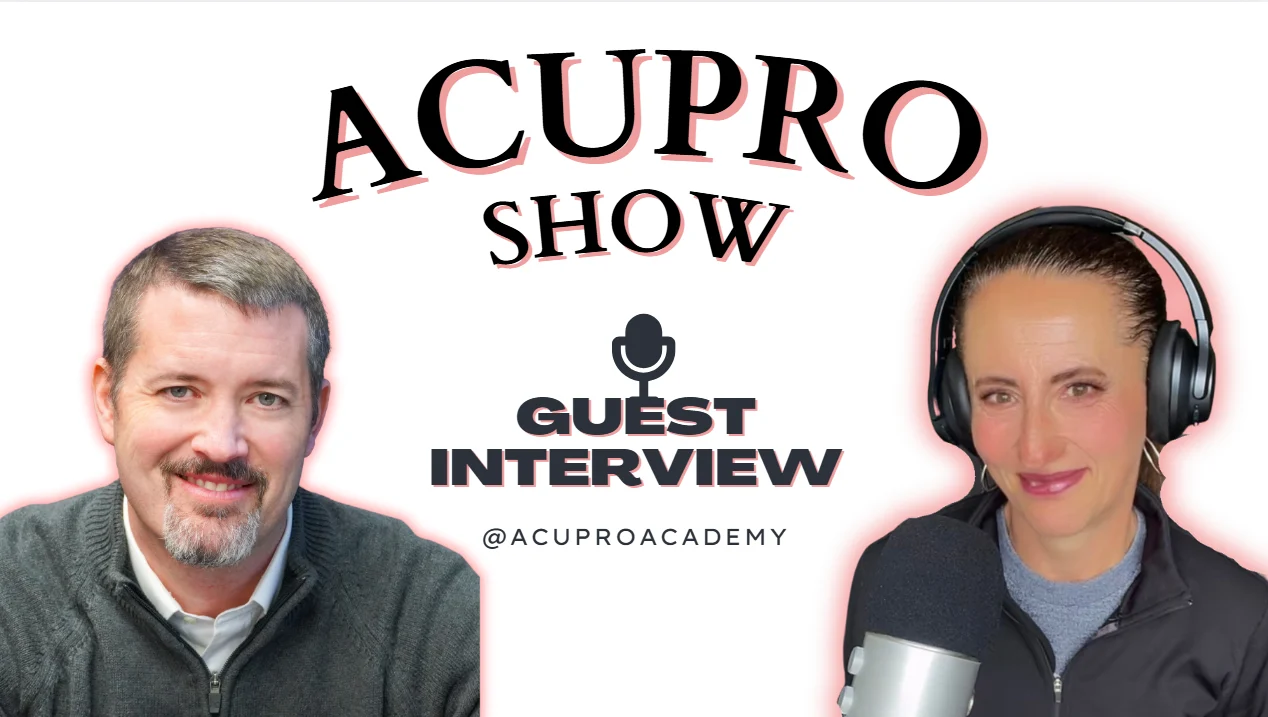
#119 – A Whole Body Approach on Treating Scoliosis with Dr. Mark Morningstar (Podcast)
Listen on Apple Podcasts Listen on Spotify Listen on YouTube Listen on Amazon Music
🔗 Links mentioned in this episode:
💪🏼 Learn how to treat MSK pain for the entire lower body – get CEU/CPDs!
🩻 Back Genius Provider Network
📖 The Rejuvenation Strategy by
🩵 Curious if Jane is right for your practice? Book a free demo and get a one-month grace period with code ACUPRO1MO!
☯️ More AcuPro Episodes you’ll love:
The BEST Acupuncture Points for Lower Back Pain (Podcast)
Managing Rheumatoid Arthritis Pain with Acupuncture & Chinese Medicine (Podcast)
Let’s Talk Balance Acupuncture with Dr. Sonia Tan (Podcast)
Scoliosis and Whole-Body Healing: Insights from Dr. Mark Morningstar
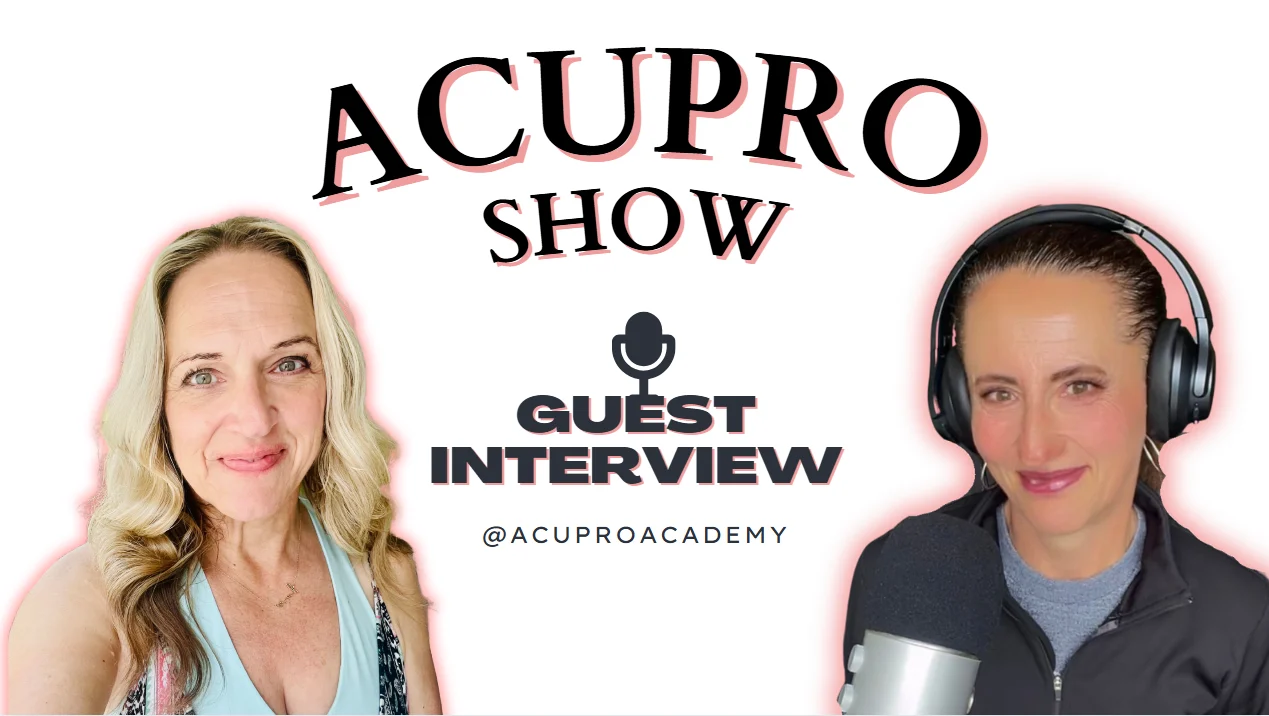
I’m so excited to share insights from a recent episode of The AcuPro Show, where I sat down with Dr. Mark Morningstar to explore a topic that’s both clinically important and personally meaningful to me: scoliosis.
Scoliosis is something I experienced as a child, and I was fortunate to manage it successfully through a multi-disciplinary approach. That’s why this conversation felt especially powerful — it reinforced how essential it is to look beyond the spine and treat the whole person.
Meet Dr. Mark Morningstar
Dr. Mark Morningstar is a board-certified practitioner in chiropractic, functional medicine, and naturopathic medicine, based in Michigan.
What makes his approach so aligned with Chinese medicine is his focus on whole-body health. Rather than treating scoliosis as purely structural, he looks at how the nervous system, hormones, gut health, and lifestyle all play a role.
This integrative perspective mirrors how we think in TCM — everything is connected.
Understanding Scoliosis Beyond the Spine
One of the biggest takeaways from this conversation is that scoliosis is not just a spinal curvature — it’s a multi-system condition.
Dr. Morningstar explains that scoliosis can be categorized into:
-
Idiopathic scoliosis (no clear cause)
-
Secondary scoliosis (resulting from other conditions)
What’s fascinating is how often scoliosis is influenced by hormonal changes, especially during key life stages like:
-
Puberty
-
Pregnancy
-
Menopause
This reinforces the idea that structural changes in the body are often driven by internal imbalances — something we see all the time in Chinese medicine.
The Brain’s Role in Scoliosis
One of the most interesting parts of our conversation was understanding how the brain adapts to scoliosis.
The body is incredibly intelligent. When there is an imbalance, the brain creates a compensation pattern — what Dr. Morningstar calls a “new normal.” Over time, this pattern becomes automatic.
But these compensations can lead to:
-
Chronic muscle tension
-
Nervous system adaptation
-
Changes in movement patterns
This is why treating scoliosis isn’t just about straightening the spine — it’s about retraining the nervous system and addressing muscular imbalances.
Posture: More Than Just Standing Up Straight
I loved reflecting on how my mom used to emphasize posture — something that was heavily reinforced in her generation.
While some of those old-school methods were intense (to say the least!), the principle still holds true: posture matters.
Dr. Morningstar explains that posture is controlled by two systems:
-
An automatic (autopilot) system
-
A conscious (manual override) system
For patients with scoliosis, both systems need to be addressed. It’s not just about telling someone to “stand up straight” — it’s about creating lasting neurological and muscular change.
Good posture doesn’t just affect the spine. It influences:
-
Lung capacity
-
Energy levels
-
Circulation
-
Long-term musculoskeletal health
Addressing the Root Cause
This is where the conversation becomes especially relevant for us as practitioners.
Dr. Morningstar emphasizes that scoliosis is often influenced by deeper physiological factors, including:
-
Hormonal imbalances
-
Gut health dysfunction
-
Nutritional deficiencies
These factors can impact growth, tissue development, and structural balance in the body.
From a TCM perspective, this aligns beautifully with concepts like:
-
Kidney Jing and development
-
Spleen function and nourishment
-
Liver regulation of tendons and movement
Treatment, therefore, should go beyond structural correction and include:
-
Nutrition and lifestyle support
-
Hormonal balance
-
Digestive health optimization
The Role of Laser Acupuncture in Scoliosis
Moreover, we also explored the growing use of laser acupuncture in scoliosis care.
Emerging research suggests that combining:
-
Targeted exercises
-
Laser acupuncture
can lead to measurable improvements in spinal curvature.
This is an exciting development, especially for patients seeking non-invasive, holistic treatment options. It also highlights how modern technology can integrate with traditional principles to enhance outcomes.
A Collaborative Approach to Care
Finally, one of the strongest themes throughout this conversation is the importance of collaboration.
Scoliosis management often benefits from a team approach that may include:
-
Chiropractors
-
Acupuncturists
-
Functional medicine practitioners
-
Physical therapists
As TCM practitioners, we have a powerful role to play — especially in supporting the nervous system, reducing pain, improving mobility, and addressing internal imbalances.
Scoliosis invites us to shift our perspective.
It’s not just about the curve in the spine — it’s about the entire system behind it. When we begin to address the root causes and support the body as a whole, we open the door to more effective and sustainable outcomes.
Disclaimer
The AcuPro Show podcast and material shared through AcuPro Academy is a subdivision of Natural Health Sense Incorporated. Designed solely for educational and entertainment purposes. The utilization of information from this podcast or any associated material is at the user’s discretion and risk. This content is not meant to replace the guidance of an acupuncturist. Nor Chinese medicine doctor, medical doctor, physician, or any qualified professional. It is not a substitute for proper diagnosis or treatment. Users are strongly advised not to ignore or postpone seeking medical advice for any existing medical condition with their healthcare professional. Regarding any health concerns.
Need the podcast transcript? Click here!
Share this article