#91 – Lung Health in TCM: Nutritional Strategies for Transitioning & Letting Go (Podcast)
Listen on Apple Podcasts Listen on Spotify Listen on YouTube Listen on Amazon Music
🔗 Links mentioned in this episode:
✨ FREE! Get your Chinese Medicine Nutrition PDF
Episode #12 – Liver Health in TCM: Nutritional Strategies for Harmony
Episode #24 – Heart Health in TCM: Nutritional Strategies to balance body & mind
Chinese Medicine Treatments Made Easy Book
Show Notes
It’s finally my favourite time of year—fall! Here in Canada, the season transforms our surroundings into a mesmerizing palette of reds, oranges, and browns, thanks to the beautiful maple trees. It’s not only a time to pull out scarves and warm sweaters but also a season of preparation and reflection for both nature and ourselves. In this podcast, I talk all about how the fall season particularly connects to lung health and nutrition, according to TCM.
Fall is more than just colourful leaves and cozy sweaters—it’s the season of the Lung and Large Intestine in Traditional Chinese Medicine (TCM). As the air turns cool and dry, these organs are especially vulnerable. By aligning our diet and lifestyle with the rhythms of autumn, we can strengthen our immunity, prevent dryness, and support emotional balance.
In this post, I’ll share how the lung meridian connects to fall health, common imbalances you may see, food recommendations, and even a bit of my own story about why Lung health is so close to my heart.
The Lung Meridian & the Metal Element in Fall
In TCM, fall belongs to the Metal element, which governs the Lung and Large Intestine system.
-
The Lung: Governs breathing, controls Wei Qi (defensive energy), influences the skin and body hair, and is linked to the emotion of grief.
-
The Large Intestine: Governs letting go, both physically (waste) and emotionally.
As summer’s yang energy declines, yin begins to ascend—making fall a season of gathering, storing, and preparing for winter. Just like farmers harvesting their crops, our bodies are called to conserve energy and strengthen defences.
Why Fall Challenges the Lung
The dry, cool air of autumn can injure Lung Yin, leading to:
-
Dry cough
-
Dry throat or nose
-
Itchy skin
-
Asthma flare-ups
Emotionally, fall can also stir up grief and difficulty letting go—reflecting the Lung and Large Intestine’s functions. This makes it an ideal season for reflection, journaling, and conscious release of what no longer serves us.
Nourishing the Lung & Large Intestine
Here are some simple TCM nutrition principles to follow in the fall:
-
Eat seasonal foods: pears, apples, pumpkin, squash, sweet potatoes.
-
Favour warm, cooked meals: soups, porridges, stews.
-
Stay hydrated: warm teas and broths prevent dryness.
-
Support the Large Intestine: probiotic-rich foods like sauerkraut and miso.
-
Practice mindful eating: chew thoroughly and avoid distractions.
Common Lung Patterns in TCM & Food Therapy
1. Lung Heat / Dryness
Symptoms: dry cough, itchy throat, yellow phlegm, constipation.
Eat: pears, apples, radish, bok choy, papaya.
Avoid: alcohol, coffee, spicy foods.
👉 Sample meal: tofu stir-fry with bok choy + mint tea.
2. Phlegm in the Lung
Symptoms: chronic phlegmy cough, wheezing, heaviness, and hoarding tendencies.
Eat: mushrooms, seaweed, fennel, asparagus.
Avoid: dairy, greasy foods, iced drinks.
👉 Sample meal: mushroom–lentil soup + ginger lemon tea.
3. Lung Qi Deficiency
Symptoms: fatigue, weak voice, frequent colds, and shortness of breath.
Eat: sweet potatoes, oats, rice, carrots, fatty fish, molasses.
Avoid: too many raw/cold foods.
👉 Sample meal: steamed salmon with sauerkraut + hot cacao.
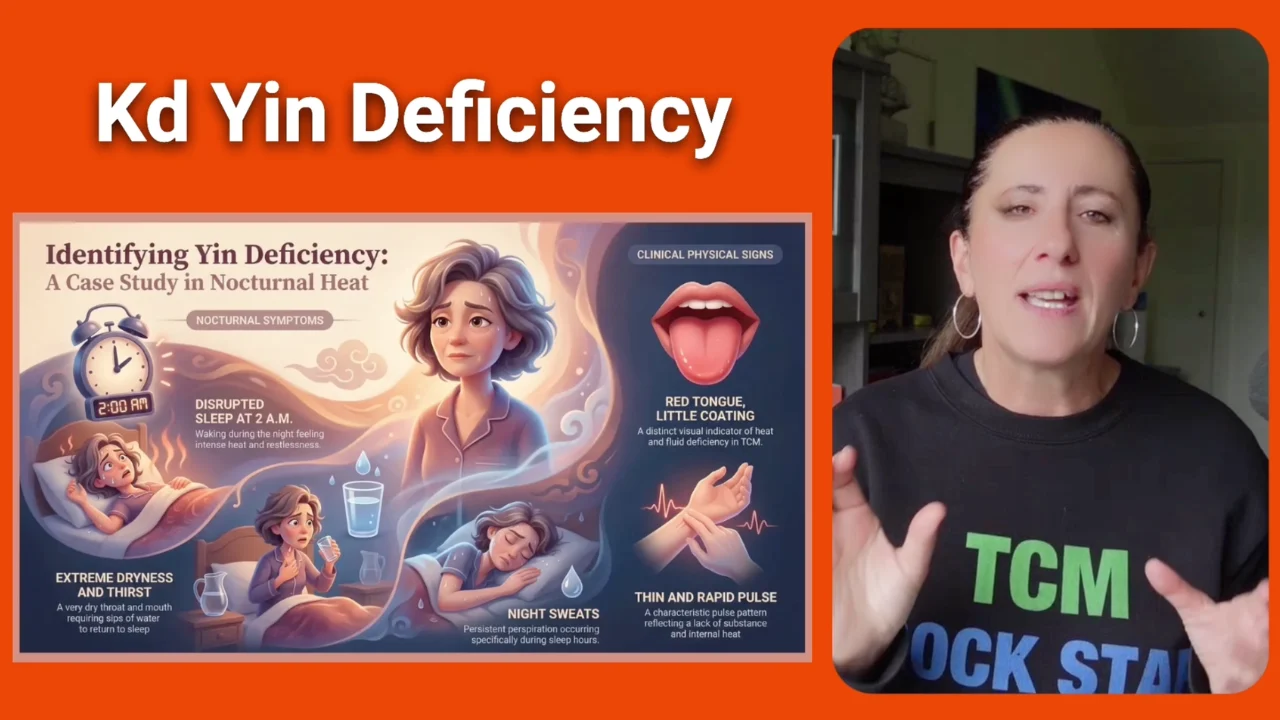
4. Lung Yin Deficiency
Symptoms: night sweats, dry throat, dry cough, red cheeks.
Eat: pears, bananas, tofu, clams, nuts, seeds.
Avoid: hot, spicy, and bitter foods.
👉 Sample meal: warm porridge with poached pear + baked fish with roasted apples.
Breath & Letting Go: Lifestyle Practices
-
Breathing exercises / Qigong: Expand Lung capacity and calm the mind.
-
Journaling/meditation: Support the Large Intestine’s role in emotional release.
-
Dress warm: Keep the chest, throat, and neck protected from autumn wind.
🌱 My Story: Why Lung Health Matters to Me
I was born 10 weeks premature, and my mother smoked during pregnancy. My delicate start left me with asthma, but over time, my lungs grew stronger. Today, as a teacher and speaker, I rely on healthy Lung Qi every day. This personal journey constantly reminds me why nourishing the Lung meridian is so vital—our breath is our life force, and our voice is how we share it.
✅ Fall Lung Health Checklist
-
Eat pears, apples, soups, and warm grains.
-
Stay hydrated with teas and broths.
-
Support digestion with probiotic foods.
-
Practice daily breathwork or qigong.
-
Let go of what no longer serves you—physically and emotionally.
Fall invites us to slow down, reflect, and prepare. By caring for our Lung and Large Intestine meridians with the wisdom of TCM nutrition and lifestyle practices, we strengthen immunity, improve breathing, and find emotional balance.
Disclaimer
The Acupro Show podcast and material shared through Acupro Academy are a subdivision of Natural Health Sense Incorporated. Designed solely for educational and entertainment purposes. The utilization of information from this podcast or any associated material is at the user’s discretion and risk. This content is not meant to replace the guidance of an acupuncturist. Nor a Chinese medicine doctor, medical doctor, physician, or any qualified professional. It is not a substitute for proper diagnosis or treatment. As well as, users are strongly advised not to ignore or postpone seeking medical advice. For any existing medical condition, with their healthcare professional. Regarding any health concerns.
Need the podcast transcript? Click here!
Share this article