#77 – The BEST Acupuncture Points for Fear, Phobia, Anxiety and Shock (Podcast)
s Listen on Spotify Listen on YouTube Listen on Amazon Music
🔗 Links mentioned in this episode:
📘Chinese Medicine Treatments Made Easy PDF/Book
Psycho-Emotional Pain using the 8 Extraordinary Vessels with Yvonne Farrell
How To Treat Claustrophobia Anxiety Disorder With Acupuncture and TCM
Effect of Acupuncture on Anxious Symptoms in Healthcare Students with Generalized Anxiety Disorder
Show Notes
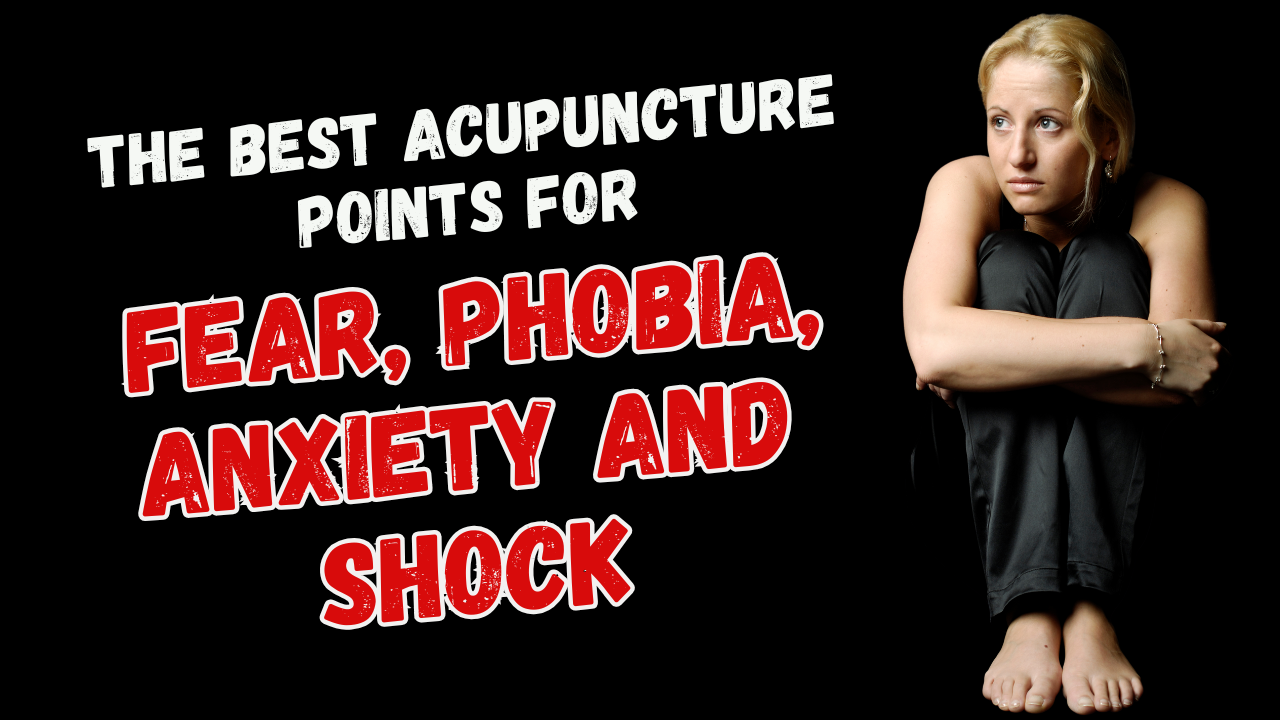
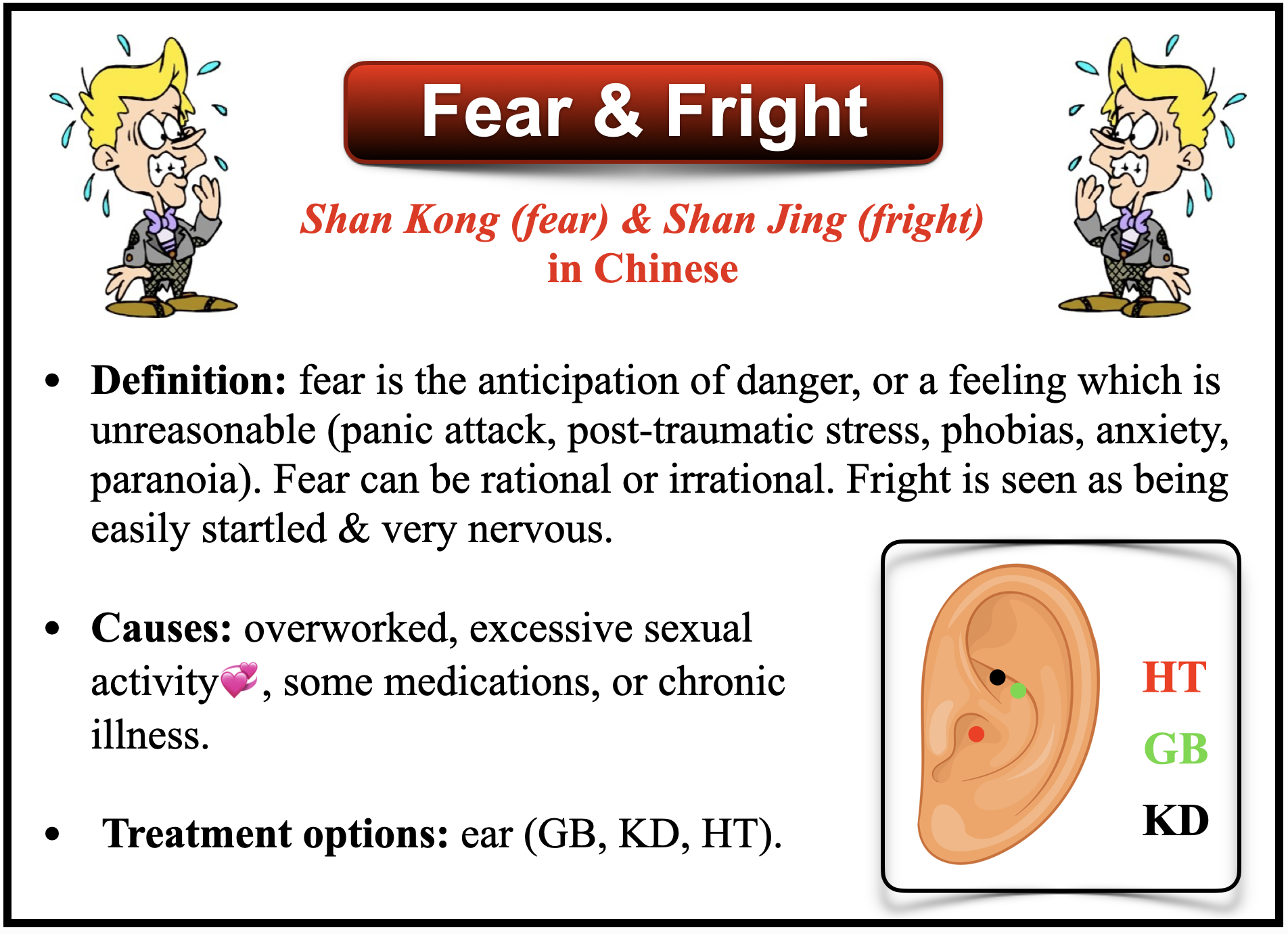
I’m going to talk about something that strikes at the very core of the human experience—fear, phobia, anxiety and shock, and how they relate to the kidney and bladder, known in TCM as the water element. Through this exploration, I’ll differentiate between anxiety, rational and irrational fear, phobias, and shock, while sharing insights on treatment approaches that can make a real difference in our lives and those of our patients.
The global statistics around anxiety can be quite overwhelming: over 300 million individuals experience anxiety regularly, making it the most common mental health disorder internationally. On top of this, approximately 20% of teenagers struggle with specific phobias. These numbers demonstrate the urgent need for effective interventions to help those affected. Thankfully, Chinese medicine, with its holistic approach, offers us pathways to healing that are both profound and practical.
I hope this helps you understand fear, anxiety, phobia and shock better, and in turn, helps your patients manage and recover quickly.
In my practice, distinguishing between fear and anxiety is essential. Fear arises in direct response to a tangible threat, triggering our body’s fight or flight response. This immediate reaction is both rational and necessary. In contrast, anxiety is a lingering stress response to potential or ambiguous dangers, manifesting without a clear cause and often leading to exaggerated perceptions of risk. From a TCM standpoint, anxiety is often classified as irrational fear, potentially impacting the kidneys and heart, as all prolonged emotions weaken these organs.
The Roots of Fear and Anxiety: Triggers and Lifestyle Factors
Various triggers contribute to fear and anxiety, including past trauma, ongoing life stressors, and social ramifications such as isolation and loneliness. The pandemic, for example, highlighted how isolation could worsen mental health, with 70% of people reporting increased anxiety. Additionally, lifestyle habits—ranging from excessive caffeine intake to poor diet and substance abuse—can exacerbate these emotional states. Furthermore, individual histories, including family predispositions and intergenerational trauma, add layers of complexity to these experiences.
Chinese Medicine’s Approach to Treating Fear, Phobia, Anxiety, and Shock
TCM offers a plethora of treatments that can significantly benefit those dealing with fear, phobias, or anxiety. For instance, acupuncture has proven effective; a study I often reference showed a 92% success rate in treating claustrophobia during MRI scans, underscoring the potential of TCM practices. Alongside acupuncture, other therapeutic measures like counselling, mindfulness practices, and in some cases, medication, can provide holistic support. Regular physical activity, relaxation techniques, and gradually confronting fears can also be transformative.
Personal Reflections: My Journey with Acrophobia
I too face my own fears—in my case, a fear of heights. Despite my passion for hiking, I sometimes find myself paralyzed by anxiety during steep climbs. This fear, mirrored in the challenges my patients face, reminds me of our shared human experience of fear. Yet, through conscious breathing and focus, I manage to take one step after another, allowing me to safely enjoy the stunning vistas I cherish. This metaphor is powerful when considering how we can support others through their fears.
Diving Deeper into TCM Treatments
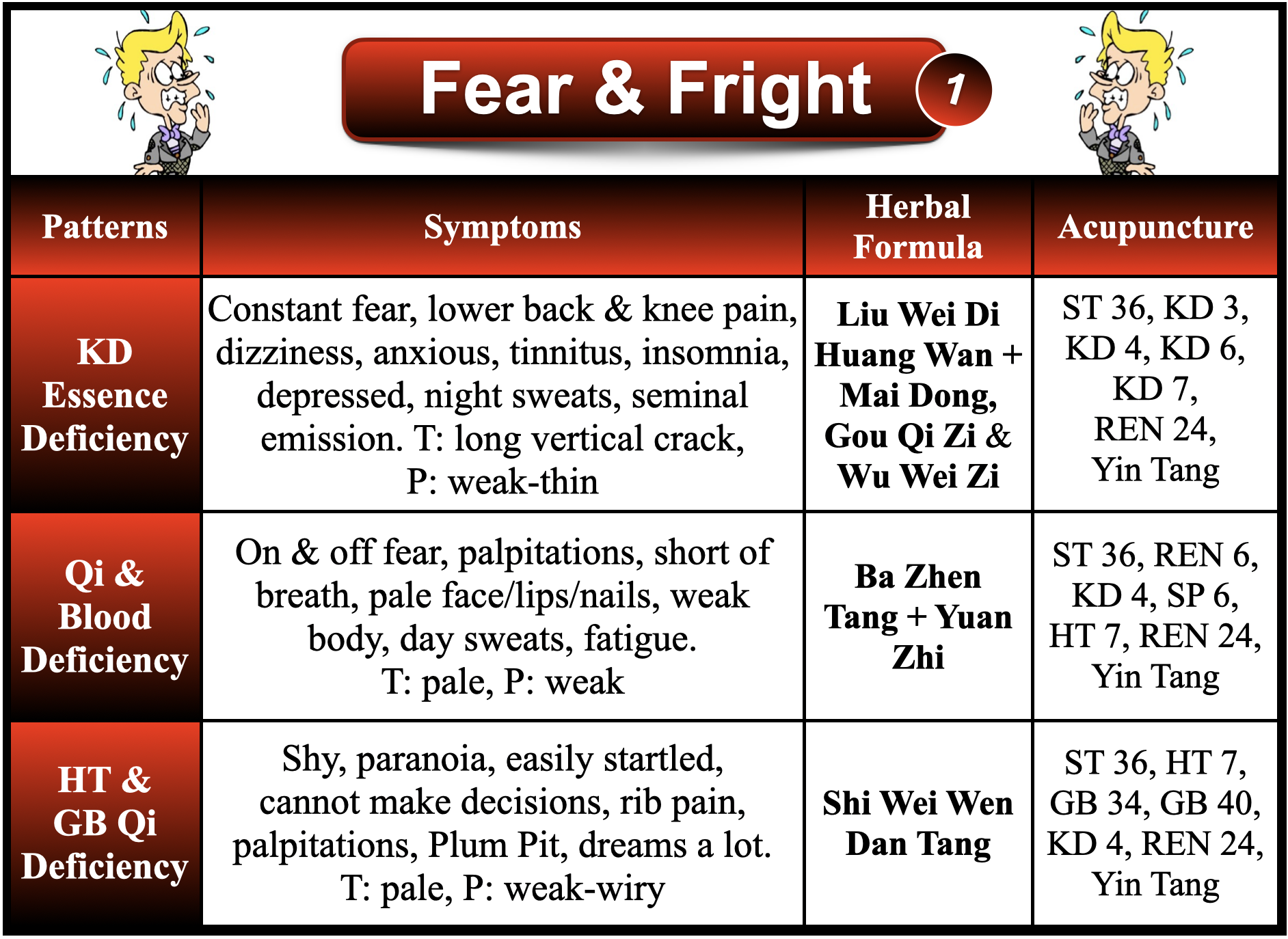
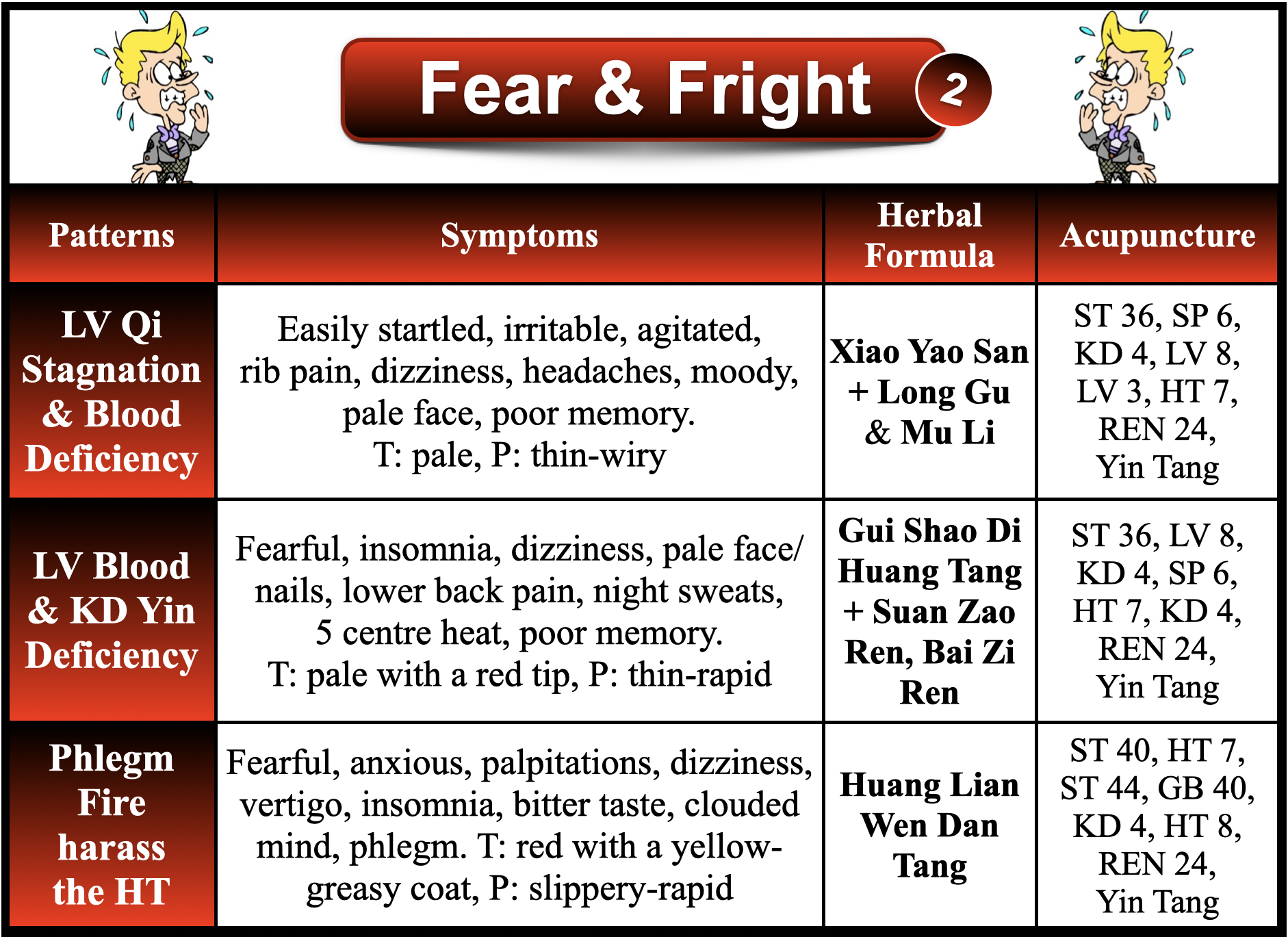
In TCM, different patterns of disharmony help guide our treatment strategies. For example:
- Liver Qi Stagnation with Blood Deficiency: Symptoms might include irritability, dizziness, and mood swings. Acupuncture points such as Liver 8, Stomach 36, and Spleen 6 can be effective.
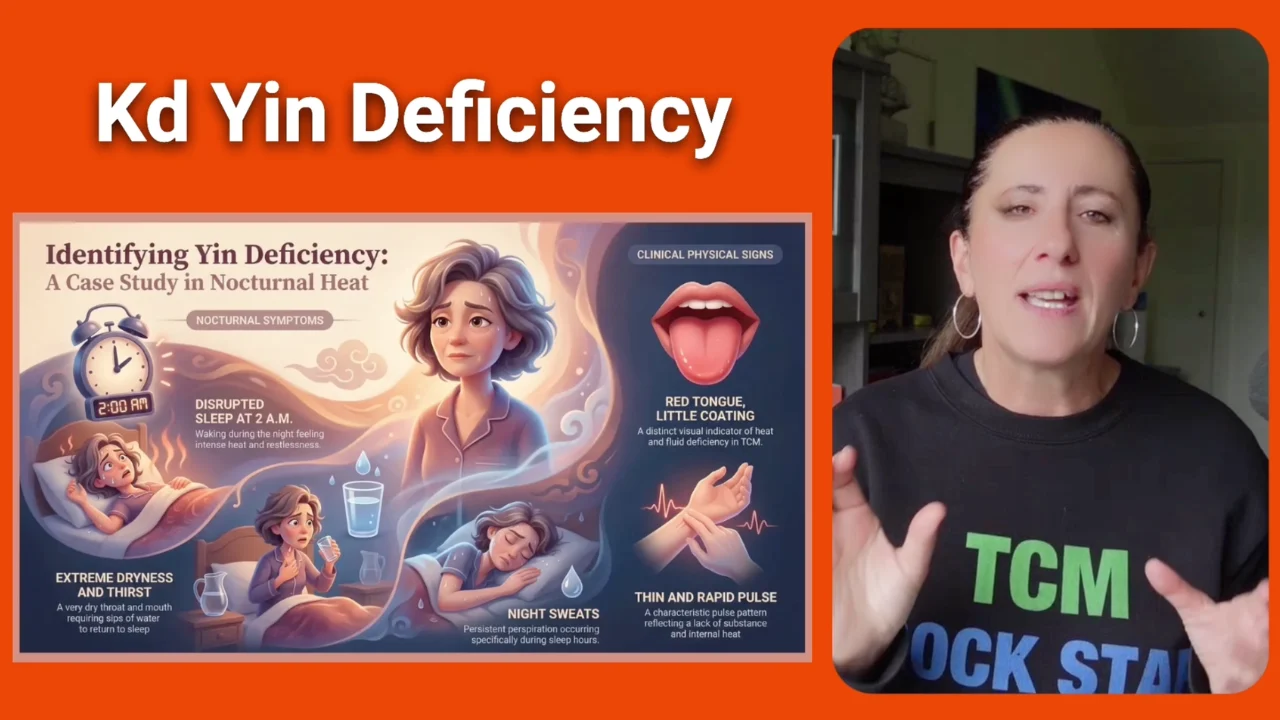
- Kidney Yin Deficiency: Often seen with constant fear and anxiety, coupled with insomnia. Points like Kidney 4 and Spleen 5, which address mental aspects, can be beneficial.
- Phlegm-Fire Harassing the Heart: Associated with intense emotional stress, where the mind feels clouded. Points such as Stomach 40 and Heart 8 can bring relief.
The Role of Diet and Supplements
Dietary choices immensely influence our mental state. High intake of caffeine, sugar, alcohol, and processed foods can worsen anxiety and fear. I advocate for an anti-inflammatory diet rich in omega-3 fatty acids, found in foods like avocados, salmon, nuts, and seeds. Additionally, healing the gut, often linked to mental health through the gut-brain axis, may involve probiotics, but I urge patients to consult with healthcare providers for personalized advice. Supplements, including magnesium and vitamin D, have shown promise in supporting relaxation and reducing anxiety.
The Path Forward: Compassionate Care and Holistic Healing
I hope these insights offer valuable guidance. By embracing the principles and practices of Chinese medicine, we can address the nuanced dynamics of fear, phobias, and shock. Whether you are a practitioner or someone seeking to understand your own experiences with these emotions, remember the profound impact of intention and holistic care. This journey is as much about healing as it is about human connection and empowerment. Keep exploring the depths of TCM, embracing its potential, because, truly, acupuncture rocks!
Disclaimer
The Acupro Show podcast and material shared through Acupro Academy is a subdivision of Natural Health Sense Incorporated. Designed solely for educational and entertainment purposes. The utilization of information from this podcast or any associated material is at the user’s discretion and risk. This content is not meant to replace the guidance of an acupuncturist. Nor Chinese medicine doctor, medical doctor, physician, or any qualified professional. It is not a substitute for proper diagnosis or treatment. Additionally, as well as users are strongly advised not to ignore or postpone seeking medical advice. For any existing medical condition with their healthcare professional. Regarding any health concerns.
Need the podcast transcript? Click here!
Share this article