
#89 – How to Use the 11 Acupuncture Points of the Lung Meridian (Podcast)
Listen on Apple Podcasts Listen on Spotify Listen on YouTube Listen on Amazon Music
🔗 Links mentioned in this episode:
📙 AcuPoints Made Easy Book or PDF
5 Shu Transporting Points video
Show Notes
Today, we are talking about everything the Lung meridian and its 11 acupuncture points. Whether you’re a practitioner or a student, my goal is to share my passion for Traditional Chinese Medicine (TCM) and empower you to achieve superior patient care. Let’s explore the Lung channel—its pathway, point functions, and how to apply them in clinical practice.
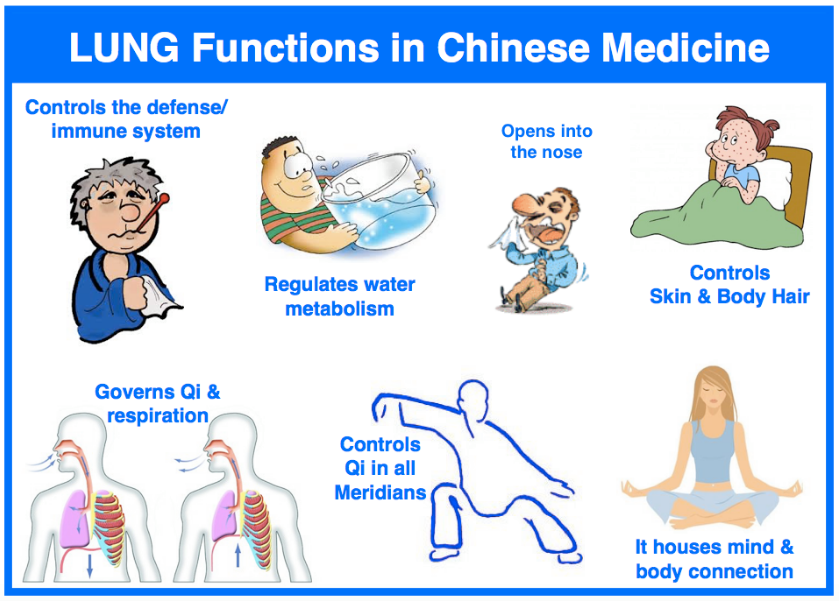
The Lung meridian is considered a hand Taiyin channel because it ends at the thumb and belongs to the Yin organ system. In TCM theory, the Lung is known as the “delicate organ,” governing Qi and respiration while influencing skin, body hair, and immunity (Wei Qi).
Pathway Overview:
-
Internal Pathway: Begins in the middle jiao (influencing the Spleen and Stomach), descends to connect with the Large Intestine, then ascends to the Lung, and finally travels to the throat.
-
External Pathway: Emerges in the chest near LU1, travels down the anterior arm, and ends at the radial side of the thumb at LU11.
This pathway explains the Lung’s connection not only to breathing but also to digestion, skin health, and immune defence. A strong digestive system (Spleen/Stomach) supports a robust Lung, while Lung weakness can manifest as poor skin health, frequent colds, or grief-related disorders.
Locating and Understanding the 11 Lung Meridian Points
Here’s a breakdown of the Lung meridian points (LU1–LU11) and their primary clinical uses:
-
LU1 – Front-Mu of the Lung. Treats asthma, chronic bronchitis, cough, and fullness in the chest.
-
LU2– Clears Lung Heat and descends rebellious Qi; useful for chest fullness and local shoulder pain.
-
LU3 – Window of Heaven point; treats emotional disorders related to grief and sadness, plus local arm pain.
-
LU4 – Useful for local musculoskeletal pain and regulating Qi in the upper arm.
-
LU5 – He-Sea and Water point; clears all types of Lung Heat, treats cough, asthma, and elbow pain.
-
LU6 – Xi-Cleft point; stops bleeding (especially coughing blood), clears acute heat, and moistens dryness.
-
LU7 – Luo-Connecting point; master point of the Ren Mai. Boosts immunity, treats headaches, neck stiffness, and hormone balance. Excellent for colds and skin disorders.
-
LU8 – Jing-River and Metal point; clears heat, soothes sore throat, and treats cough/asthma.
-
LU9 – Shu-Stream, Yuan-Source, and influential point of vessels; tonifies Lung Qi and Yin, and strengthens Heart–Lung relationship.
-
LU10 – Ying-Spring and Fire point; best for sore throats, loss of voice, and clearing Lung Heat.
-
LU11 – Jing-Well and Wood point; treats high fever, fainting, and acute throat pain. Used in bleeding techniques for severe sore throat or tonsillitis.
Strengthening the Lung Meridian in Practice
In clinic, point combinations enhance results:
-
Immune Support: LU7 + ST36 + BL13 boosts Wei Qi and overall resistance.
-
Skin Conditions: LU7 (Lung–Large Intestine connection) clears heat from the skin, making it a go-to for eczema, psoriasis, or hives.
-
Emotional Healing: LU3 + HT7 helps process grief, sadness, and emotional blockages.
Key Takeaways for Practitioners and Students
- The Lung meridian plays a central role in immunity, respiration, and emotional health.
-
Mastery of LU7, LU9, and LU1 can transform your treatment outcomes.
-
Always assess digestion and emotional well-being when treating Lung disorders—remember, the Lung and Spleen are deeply connected in TCM theory.
The Lung meridian may be just one channel in the body, but when balanced, it’s like a deep breath of fresh air for your patient’s health.
Today, we are talking about everything the lung channel and its 11 acupuncture points. Whether you’re a practitioner or a student, my goal is to share my passion for Chinese Medicine and empower you to achieve superior patient care. Let’s dive into the lung channel and its points, and how they can be effectively utilized in clinical practice.
The lung is considered a “hand channel” because it finishes at the hand, and it belongs to the yin organ system. The pathway of the lung meridian starts in the middle jiao, which involves the spleen and stomach—essentially the digestive system. In TCM, this connection is vital as a good digestive system supports a strong immune system, or the lung’s role in the body.
The lung meridian is not just simple; it has both an internal and external pathway. The internal branch connects with the organs it influences, while the external branch hosts the acupuncture points we use to activate healing processes.
Locating and Understanding the Points
Each point on the lung channel has specific functions, and I like to make these easy to remember:
- 1 & 2: Close to the chest and vital for lung disorders like asthma, chronic bronchitis, or any breathing issue.
- 3 & 4: Found on the bicep, these are used for local musculoskeletal issues.
- 5: Located at the elbow crease, it’s the go-to point for any type of cough.
- 6: Known as the xi cleft point, it’s particularly useful for coughing blood.
- 7: An incredibly powerful point that strengthens the immune system, addresses head and neck issues, and aids in balancing hormones.
- 8: More of a complementary point, often used to clear heat in conditions like sore throat and asthma.
- 9: This point is associated with deep-seated lung issues and strengthening the relationship between the lung and the heart.
- 10: The best point out there for soothing a sore throat.
- 11: Used in high fever, fainting, and as a “ghost point” for emotional issues.
Strengthening Your Practice
For those keen to expand their practical knowledge, Lung 7 combined with Stomach 36 and Bladder 13 is a fantastic way to strengthen the immune system. Connecting with the lung’s related meridian, the large intestine, this point can be revolutionary when treating conditions that involve the skin due to its association with the lung.
Disclaimer
The AcuPro Show podcast and material shared through AcuPro Academy are subdivisions of Natural Health Sense Incorporated. Designed solely for educational and entertainment purposes. The utilization of information from this podcast or any associated material is at the user’s discretion and risk. This content is not meant to replace the guidance of an acupuncturist. Nor a Chinese medicine doctor, medical doctor, physician, or any qualified professional. It is not a substitute for proper diagnosis or treatment. Additionally, as well as users are strongly advised not to ignore or postpone seeking medical advice. For any existing medical condition, with their healthcare professional. Regarding any health concerns.
Need the podcast transcript? Click here!
Share this article












Thank you for this!
Very clear and concise information. I practise shiatsu and it’s a helpful reminder for some of the points I don’t use that often-but I certainly will now!
Thank you
We’re so glad to hear this helped your shiatsu practice 🥰 Thank you for sharing, Jayne. That’s fantastic!